27 May 2026
Wallet Routes Linking Reel Rotations and Broadcast Tables Across Britain's App-Based Gaming Networks
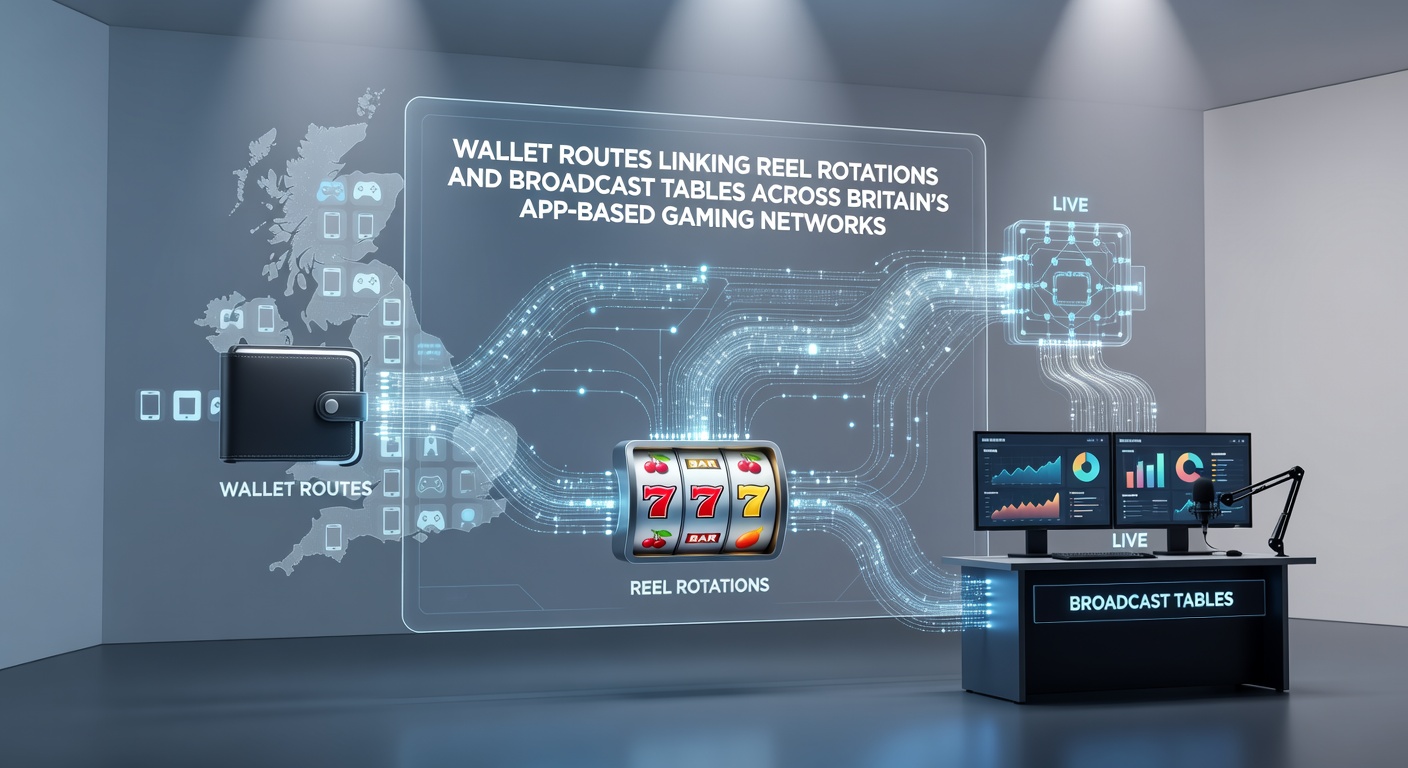
Britain's app-based gaming networks have developed intricate connections between digital payment systems and core game elements such as spinning reels in slots along with live broadcast tables for dealer interactions, creating pathways that process transactions while games run without interruption. These integrations rely on secure API frameworks that route funds directly into gameplay mechanics, allowing deposits to trigger reel sequences or table entries almost immediately. Data from industry reports shows that transaction speeds in these networks average under three seconds for most e-wallet providers during peak hours.
Payment Pathways in Mobile Platforms
App developers have embedded wallet protocols into the backend of reel rotation engines, which means users select a funding method and the system allocates credits straight to active spins or queued broadcasts. This setup reduces latency between account top-ups and game starts, particularly in networks that handle thousands of simultaneous sessions across devices. Observers note that compatibility layers now support multiple wallet types including those popular in European markets, and these layers sync with broadcast feeds to update balances in real time during live sessions.
Studies from research institutions indicate that such routing has expanded since 2024, with mobile platforms incorporating encryption standards that protect transaction data while reels cycle through outcomes or tables stream dealer actions. In May 2026 network operators reported further refinements to these routes following updates in cross-border payment regulations outside the UK.
Integration with Reel Mechanisms
Reel rotation systems in British apps connect to wallet routes through event-driven triggers, where a confirmed deposit activates spin sequences automatically or queues them for later play. This linkage appears in titles that feature progressive jackpots or bonus rounds, allowing funds to influence multiplier calculations without separate confirmation steps. Figures from gaming associations reveal that apps using these connections see higher session continuity rates compared to those requiring manual balance checks between spins.
One example involves a network that pairs popular e-wallets with themed slots, where the payment confirmation signal directly feeds into the random number generator cycle. Researchers have documented how this reduces drop-off rates during bonus pursuits, and the same pattern extends to hybrid apps that blend reel play with occasional live table switches.
Broadcast Table Connections
Live dealer tables rely on similar wallet routing to manage entry fees and ongoing bets during streamed sessions, with broadcast servers pulling balance updates from the same payment gateways used for slots. This creates unified experiences where players move between reel rotations and table broadcasts using a single funded account. Evidence from trade group analyses shows that these connections support multi-table viewing on mobile screens, with instant top-ups preventing interruptions in dealer interactions.
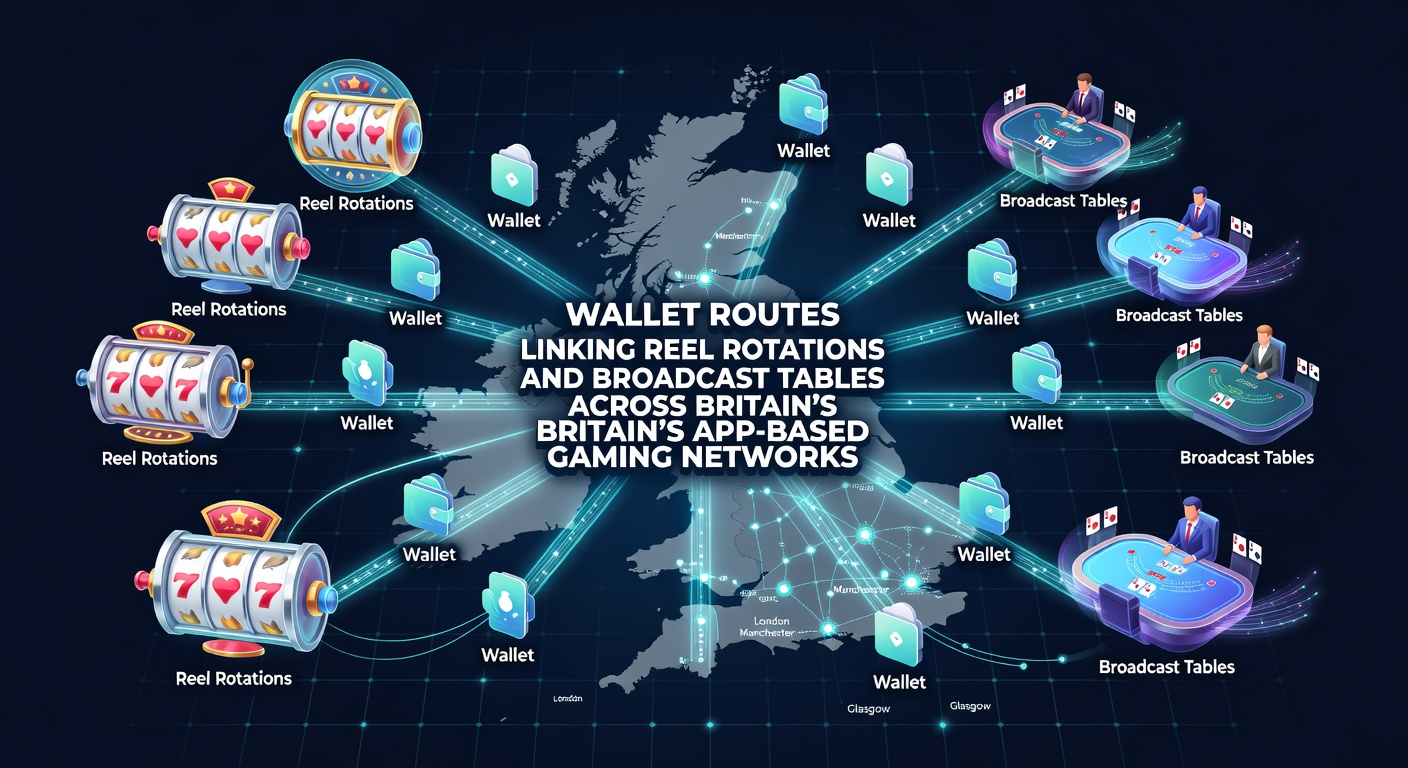
Operators have introduced features that let wallet selections influence table limits or broadcast quality settings, though core mechanics stay governed by standard RNG protocols for fairness. According to data compiled by the European Gaming and Betting Association, British networks handling these integrations processed over 40 percent more live table entries in early 2026 than in prior years, largely due to streamlined routing.
Network-Wide Patterns and Updates
Across Britain's app ecosystem, wallet routes form part of broader architecture that links user authentication, game engines, and streaming services into cohesive flows. Patterns emerge where certain providers dominate these connections because of faster settlement times with international processors, and this affects how reel outcomes display alongside live feeds. Academic papers from institutions like the University of Sydney's gambling research unit highlight similar trends in comparable markets, noting that seamless routing correlates with sustained user engagement across device types.
Network operators continue testing enhancements such as predictive balance allocation, which anticipates game switches and pre-loads credits for broadcast tables after reel sessions end. These developments build on existing frameworks without altering regulatory compliance structures in place.
Conclusion
The connections between digital wallets, reel rotations, and broadcast tables represent a technical layer that supports fluid movement across game types in British mobile networks. As these systems evolve through 2026 and beyond, the emphasis remains on reliable data exchange that keeps transactions aligned with active gameplay. External sources such as the Australian Gambling Research Centre provide comparative insights into how similar integrations function in other regions, underscoring the global nature of these payment-to-game pathways.