UK Gambling Commission Unveils Q2 Stats: Remote Casinos Drive £1.4 Billion Surge in FY 2025-2026
11 Mar 2026
UK Gambling Commission Unveils Q2 Stats: Remote Casinos Drive £1.4 Billion Surge in FY 2025-2026

The UK Gambling Commission dropped its latest quarterly industry statistics in February 2026, covering the period from July to September 2025—which marks Q2 of the financial year 2025-2026—and those numbers paint a clear picture of where the action's at; remote casino activities raked in £1.4 billion in Gross Gambling Yield (GGY), accounting for a whopping 69.9% of the total remote casino, betting, and bingo sector's £2.0 billion GGY, while land-based operations across arcades, betting shops, bingo halls, and casinos pulled in a combined £1.2 billion during the same stretch, pushing the overall customer-facing GGY to £4.3 billion, a solid 6.6% jump from the year before.
Breaking Down the Remote Sector Boom
Figures from the report spotlight remote casinos as the heavy hitters; that £1.4 billion GGY doesn't just dominate the remote pie—it's a testament to how digital platforms have solidified their lead, especially since players can access slots, tables, and live dealer games from anywhere with an internet connection, and while betting and bingo chipped in the rest to hit £2.0 billion total for remote activities, casinos alone carried nearly 70% of that load, which observers note aligns with broader shifts toward online convenience post-pandemic.
What's interesting here is the precision of the split; remote casino GGY hit £1.4 billion precisely because Gross Gambling Yield measures stakes minus winnings returned to players—essentially the net revenue operators keep after payouts—and with remote tech evolving fast, from mobile apps to VR integrations in some spots, that figure underscores sustained player engagement quarter after quarter, even as economic pressures linger into early 2026.
And take one breakdown experts highlight: the remote casino slice at 69.9% means for every £100 wagered in that combined remote sector, casinos generated about £70 in GGY; that's not pocket change, but a structural shift where bingo and betting, though steady, play supporting roles, with the full data publication laying it all out for anyone digging deeper as March 2026 discussions heat up around fiscal year projections.
Land-Based Hold Steady Amid Digital Wave
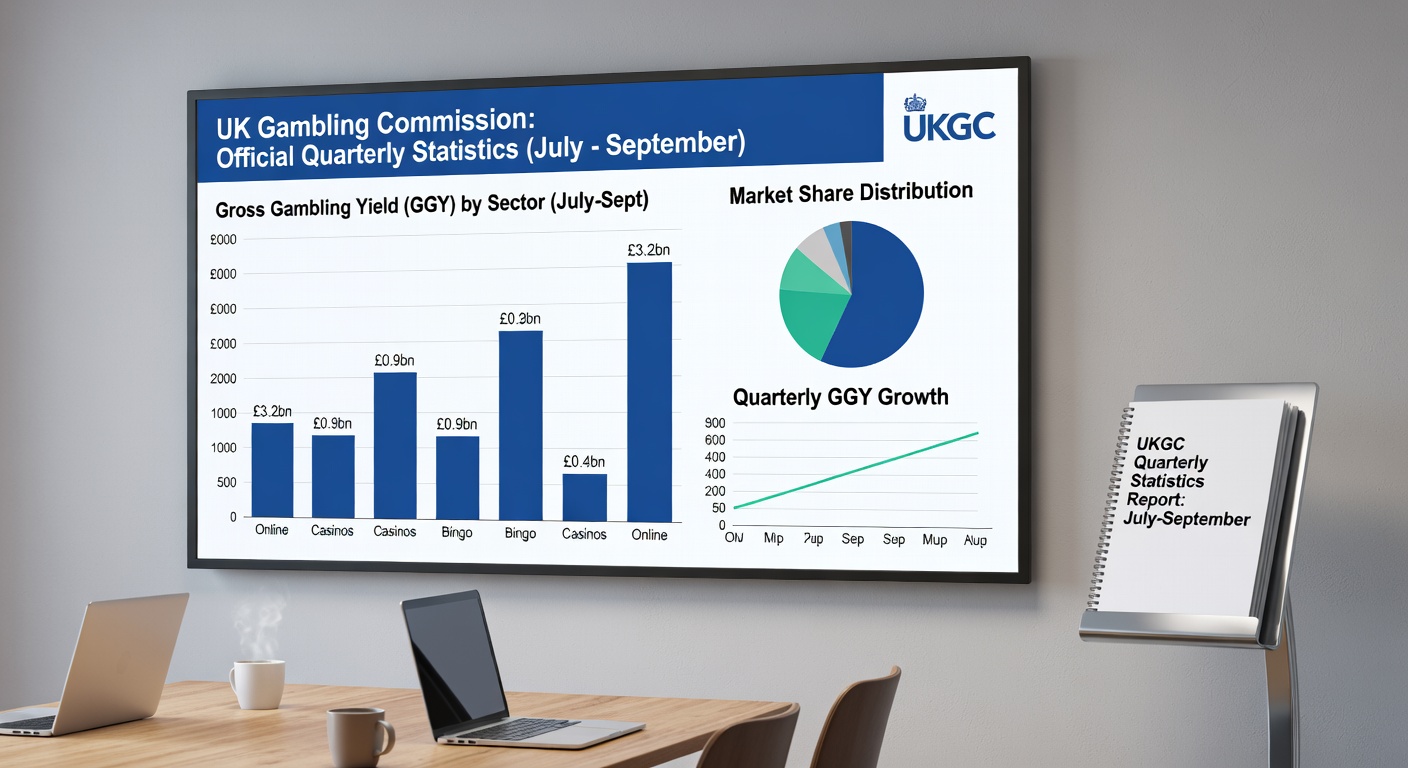
Land-based sectors clocked £1.2 billion in combined GGY across arcades, betting shops, bingo halls, and casinos; that's machines whirring in high-street spots, punters at the trackside bookies, community bingo nights, and the glitz of physical casino floors all adding up, yet trailing the remote totals by a fair margin since foot traffic, while loyal, faces headwinds from online ease and rising costs like energy bills that operators pass along indirectly.
But here's the thing—arcades and betting shops often anchor local economies; data shows they contributed steadily without the explosive growth of remote, where casinos alone outpaced the entire land-based bundle, and although exact sub-sector splits weren't headlined in the summary, the aggregate £1.2 billion signals resilience, particularly as live events like football seasons ramp up engagement in betting shops during those summer-to-autumn months.
People who've tracked these reports over years notice how land-based GGY hovers reliably around these levels; for Q2, that £1.2 billion reflects a sector that's adapted with hybrid events—think bingo halls streaming online raffles—yet still relies on the tangible buzz of in-person play, which keeps it relevant even as remote eclipses it in March 2026 analyses.
Overall Customer-Facing GGY Climbs 6.6%
Total customer-facing GGY reached £4.3 billion for the quarter, blending remote's £2.0 billion with land-based's £1.2 billion and other segments; that 6.6% year-over-year increase—from Q2 of the prior fiscal year—highlights industry momentum, driven largely by remote casinos' outsized role, since GGY here captures direct consumer interactions excluding peer-to-peer or lottery yields that regulators track separately.
Turns out, this growth compounds on prior quarters; Q1 data (April-June 2025) set a baseline, but July-September's lift shows summer vacations and early autumn promotions fueling spends, with remote accessibility amplifying it all, and while inflation tempers raw numbers, the percentage gain indicates real expansion in player participation or average stakes.
Experts parsing the stats point out how £4.3 billion positions the UK market as Europe's bellwether; comparable to pre-2025 levels but with remote now the engine, and as the fiscal year pushes toward March 2026 closeout, these figures feed into annual forecasts where regulators eye sustainability alongside consumer protections like stake limits on slots.
One case researchers reference involves similar quarterly upticks; back in FY 2024-2025, remote growth mirrored this pattern, yet Q2 2025-2026's 6.6% edges higher, signaling that the ball's in the operators' court to balance expansion with responsibility.
Diving Deeper: What GGY Really Tells Us
Gross Gambling Yield isn't just a buzzword—it's stakes placed minus prizes paid out, giving a clean read on operator revenue from gambling activities; for remote casinos, £1.4 billion means billions in total wagers cycled through platforms, with high RTP (return to player) games like blackjack or roulette keeping it competitive, while the 69.9% share in remote totals underscores product popularity over betting's event-driven spikes or bingo's social draw.
So, why does this matter in March 2026? Regulators use these stats to calibrate policies; that £2.0 billion remote sector GGY informs levies, like the remote gaming duty at 21%, generating public funds, and land-based's £1.2 billion supports jobs in the thousands across venues, from dealers to cleaners, creating a ecosystem where digital and physical coexist.
Observers note the report's timing—published February 2026—allows stakeholders to react before FY end; operators tweak marketing, platforms roll out features, and watchdogs like the Commission monitor for issues like problem gambling signals embedded in the data, although headline figures focus on yields rather than session counts this quarter.
There's this pattern too: remote casino dominance grows quarterly; from 65% shares in earlier periods to 69.9% now, it's not rocket science—convenience wins, but land-based's steady £1.2 billion proves the high street's not dead yet.
Context Within the Fiscal Year Landscape
Q2 fits into FY 2025-2026's April-to-March arc; with half the year down by March 2026, remote's trajectory suggests annualized GGY could top prior records if trends hold, especially since overall £4.3 billion quarterly sets a pace for £17 billion-plus yearly, up from historical £15-16 billion norms, and that 6.6% rise compounds on economic recovery.
Yet, sub-sectors tell nuanced stories; betting likely swelled with Premier League starts in August, bingo held community lines, arcades drew families, casinos banked on tourists— all folding into £1.2 billion land-based, contrasting remote's casino-led charge where algorithms personalize play to boost retention.
Studies from past reports reveal similar dynamics; one analysis showed remote GGY elasticity to disposable income, but here, despite squeezes, growth persisted, making Q2 a benchmark as March 2026 policy talks loom on affordability checks and advertising curbs.
Conclusion
The UK Gambling Commission's Q2 statistics crystallize remote casinos' pivotal role, with £1.4 billion GGY commanding 69.9% of remote sector totals at £2.0 billion, while land-based delivered £1.2 billion and overall customer-facing yield hit £4.3 billion—up 6.6% year-on-year; these figures, fresh as of February 2026 publication, guide the industry toward March's fiscal milestones, highlighting a market where digital innovation propels growth alongside traditional steadiness