15 Jul 2026
Tracing Digital Payment Routes in Britain's Smartphone-Based Live Casino Tables
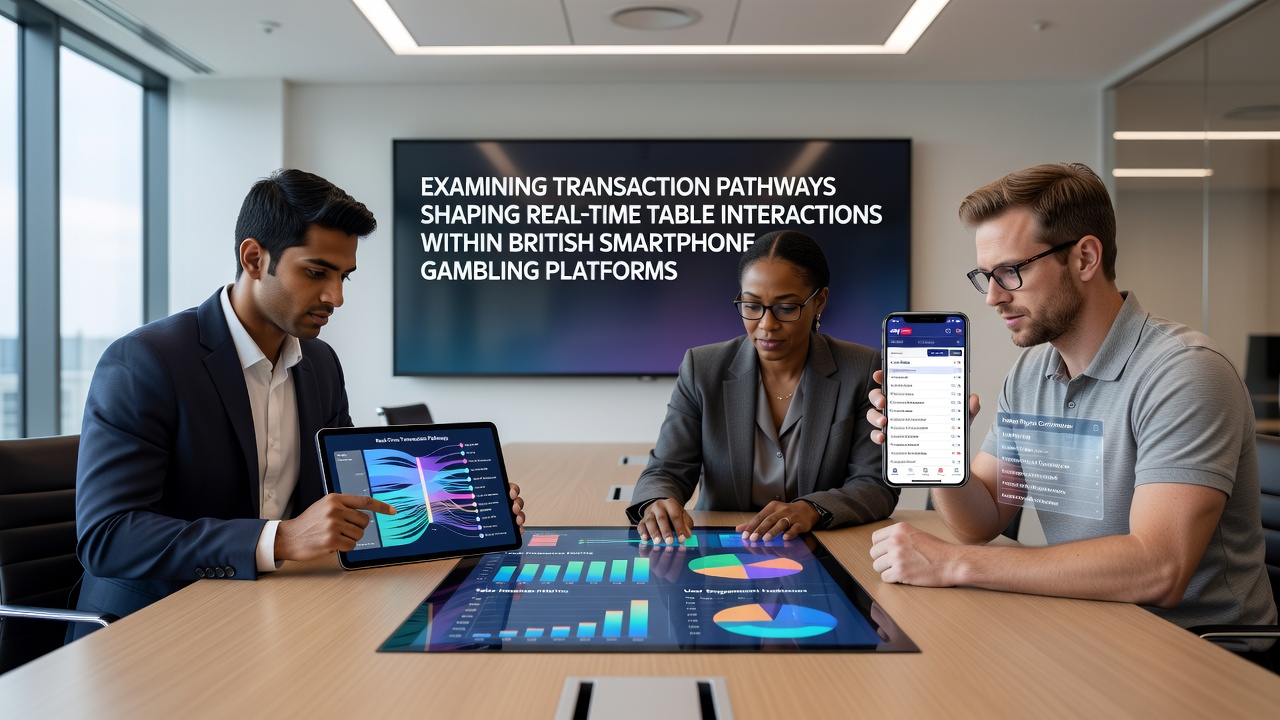
Transaction pathways in British smartphone gambling platforms connect player accounts directly to live dealer tables through layered payment processors and real-time APIs, and these routes determine how bets register, wins calculate, and funds move during active sessions. Data from industry reports shows that mobile live table games rely on encrypted token exchanges between banking systems and game servers to maintain synchronization across devices. Observers note that delays in these pathways often stem from multi-factor authentication steps or network variability rather than core platform architecture.
Core Components of Mobile Transaction Flows
Payment gateways handle initial deposits through secure sockets that link user wallets to platform ledgers, while subsequent in-game actions trigger micro-transactions processed via dedicated APIs. Researchers discovered that these flows incorporate checksum verifications at each hop to prevent discrepancies between displayed balances and actual account states during extended play sequences. Take one developer team that integrated edge computing nodes near UK data centers; their tests revealed reduced latency in blackjack hand resolutions by routing authorization requests through localized servers instead of centralized hubs.
Smartphone applications further shape these interactions by embedding session tokens that persist across network switches, allowing continuous table participation even when users move between Wi-Fi and cellular connections. Figures from technology analyses indicate that push notification systems alert players to balance changes within milliseconds of dealer actions, creating a feedback loop that ties visual game elements to backend accounting updates. And because many platforms now employ WebSocket protocols for persistent connections, transaction confirmations arrive without requiring page reloads or manual refreshes.
Security Protocols and Data Routing Patterns
Encryption standards such as TLS 1.3 wrap each transaction packet traveling between mobile clients and backend processors, and compliance frameworks require separate channels for financial data versus gameplay metadata. Studies conducted by the Canadian Centre for Gaming Research found that segmented routing prevents cross-contamination of sensitive information during high-volume periods like weekend evenings when table traffic peaks. Those who've examined audit logs note that anomaly detection algorithms flag unusual patterns, such as rapid deposit-withdrawal cycles, before funds reach the live dealer interface.
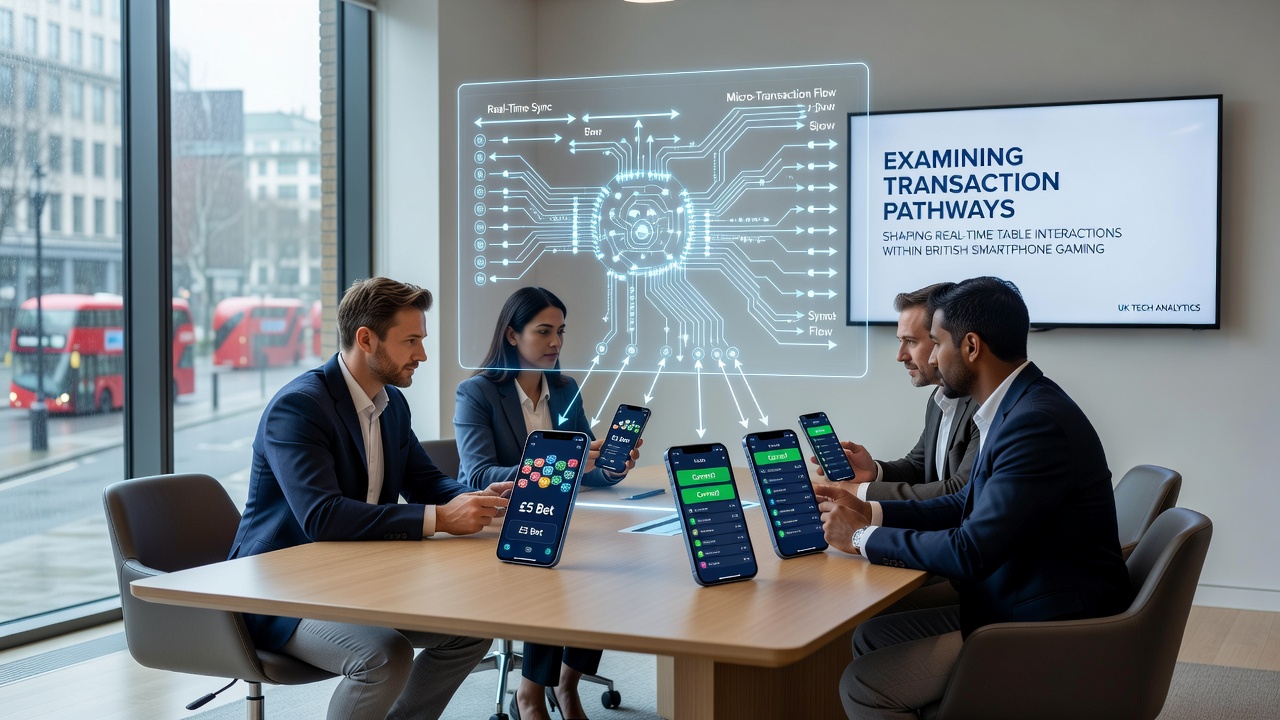
Multi-layered verification steps occur at key junctions where user identity checks intersect with payment provider responses, and this intersection influences how quickly a player can join a new table after completing a deposit. In July 2026 several platforms introduced optional biometric confirmations that shortened authorization times compared to traditional PIN entries while maintaining required security thresholds. What's interesting is how these additions integrate with existing ledger systems without disrupting ongoing table sessions, allowing seamless transitions from funding to betting.
Integration with Live Dealer Systems
Live table environments depend on synchronized clocks between streaming video feeds and transaction processors so that bet placements align precisely with dealer announcements. Evidence from platform performance metrics reveals that asynchronous processing queues manage high-frequency actions like side bets or insurance wagers without interrupting the primary game stream. One case involved a routing upgrade at a major operator that rerouted certain verification calls through secondary processors during peak hours, resulting in fewer dropped connections reported across user sessions.
Payment matching algorithms now cross-reference incoming transactions against active table states, ensuring that credited amounts appear only after confirmation reaches the game engine. According to findings published by the Australian Gambling Research Centre, such matching reduces instances of balance mismatches that previously required manual intervention from support teams. Those systems also track cumulative session totals to support responsible play features embedded directly into the mobile interface.
Emerging Trends in Pathway Optimization
Cloud-based orchestration tools increasingly manage the distribution of transaction loads across multiple geographic zones, and this approach supports consistent performance for users accessing British platforms from varied locations. Data indicates that adoption of these tools correlates with lower average processing times for withdrawals initiated mid-session, though full settlement still follows established banking timelines. Researchers continue to explore quantum-resistant encryption methods that could future-proof these pathways against evolving computational threats.
Partnerships between gambling operators and specialized fintech providers have introduced programmable payment rails that adapt dynamically to table activity levels. For instance, certain configurations allow instant micro-deposits triggered by in-game prompts when a player's balance falls below a predefined threshold during a roulette spin sequence. Such adaptations maintain session continuity while adhering to established financial protocols.
Conclusion
Transaction pathways continue to evolve alongside smartphone hardware capabilities and live streaming technologies, shaping how real-time table interactions unfold on British platforms. Observers track these developments through performance benchmarks and security audits that highlight incremental improvements in speed and reliability. The connections between payment infrastructure and game engines remain central to delivering uninterrupted mobile experiences that align with regulatory expectations across the sector.