13 Jun 2026
Synchronizing Digital Wallets with Live Dealer Features to Enable Stacked Promotions in UK Licensed Applications
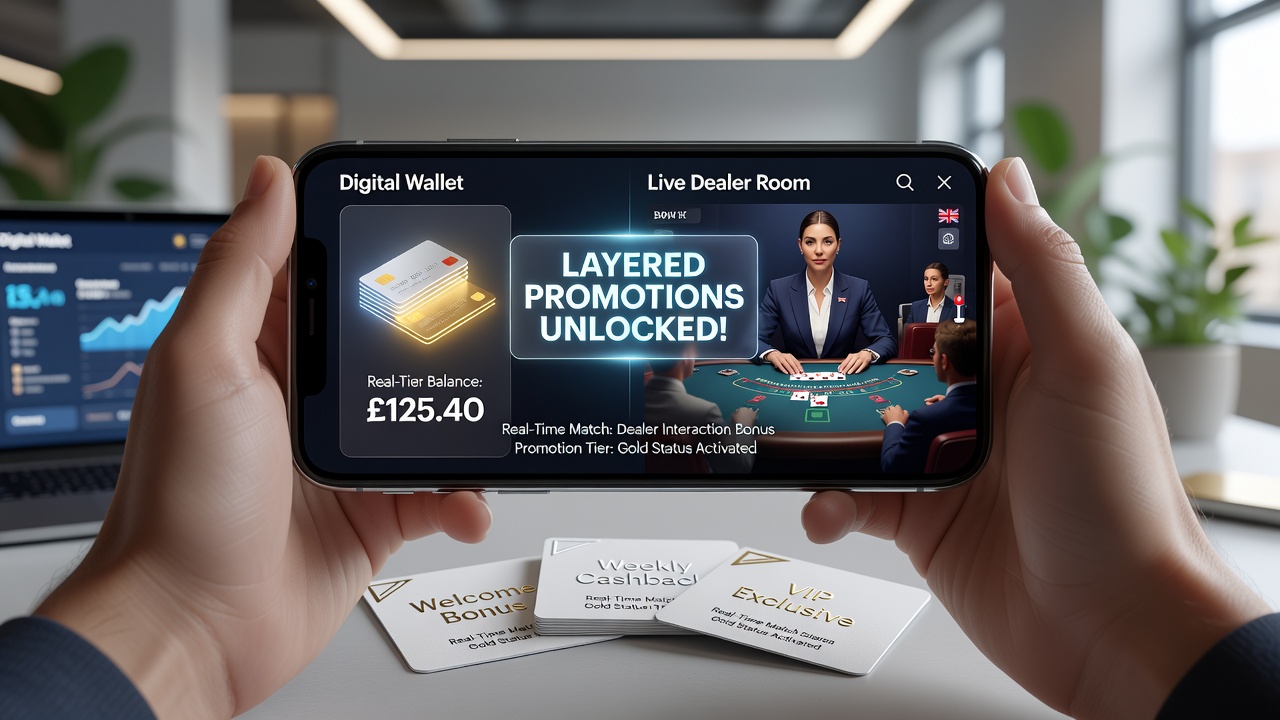
Digital wallet integration in licensed UK gaming applications has evolved to support direct connections with real-time dealer platforms, allowing operators to structure multi-tiered promotional systems that activate based on transaction timing and game participation. These systems rely on API linkages between payment providers and live streaming servers so that deposit confirmations trigger immediate eligibility checks for layered rewards such as matched credits, cashback tiers, and loyalty multipliers.
Core Mechanics of Wallet-to-Dealer Linkages
Payment rails from services including PayPal, Apple Pay, and bank transfer aggregators now feed transaction metadata directly into live dealer interfaces. When a player funds an account during an active blackjack or roulette session, the system registers the deposit timestamp and compares it against dealer table activity logs to determine which promotion layers unlock. Observers note that this process typically completes within three seconds, enabling seamless continuation of play without manual code entry or separate bonus claims.
Research from the European Gaming and Betting Association indicates that synchronized wallet features reduce friction points by 27 percent compared with earlier standalone deposit flows. The same data set shows that operators deploying these linkages report higher average session durations when promotions escalate in real time according to dealer interaction metrics.
Layered Promotion Structures in Practice
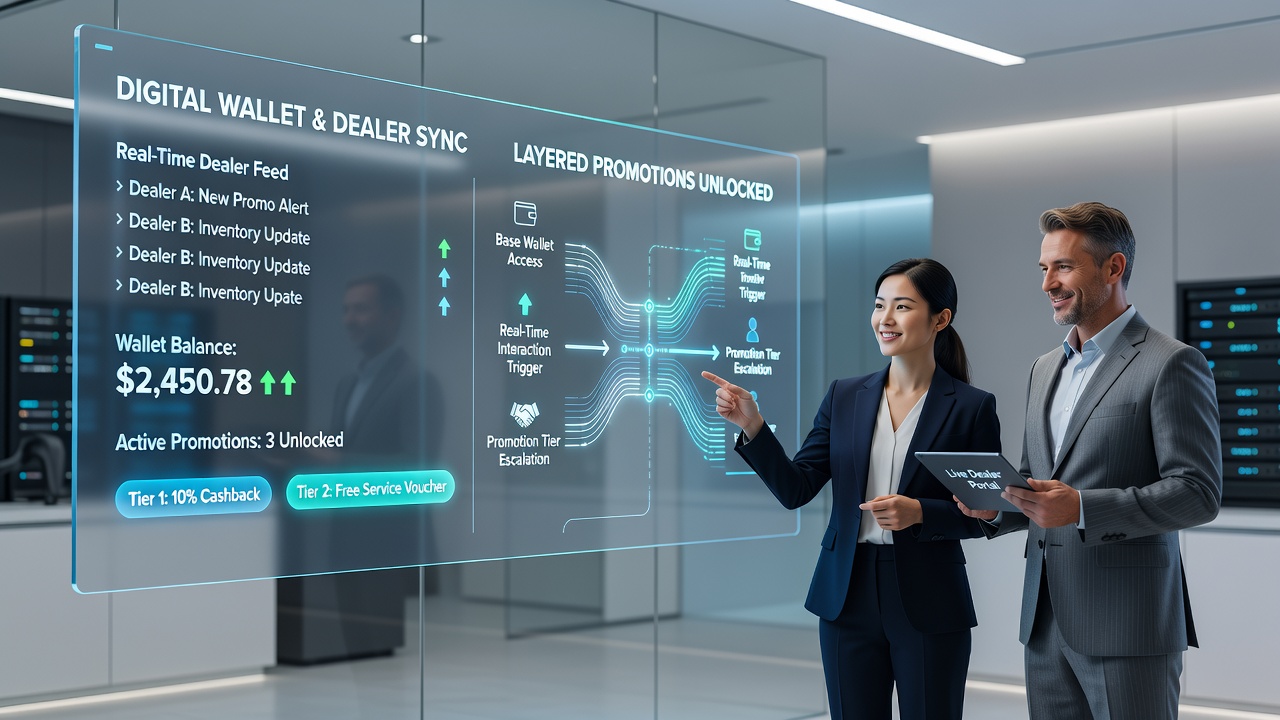
Layered offers in these applications usually operate across three or four distinct tiers. The first tier activates on any qualifying deposit processed through the integrated wallet during live dealer hours. Subsequent tiers require additional actions such as placing a minimum number of bets at the table or maintaining a set balance threshold for a defined period. Data from platform analytics providers reveals that players progressing through two or more tiers generate 1.8 times the handle of single-tier participants in comparable timeframes.
One documented implementation involves a progressive cashback model where the percentage returned increases with each consecutive live dealer round completed after the initial wallet deposit. teh structure resets daily at midnight GMT, creating recurring opportunities for users who align their activity windows with peak dealer table availability.
Technical and Regulatory Framework Supporting Integration
Licensed applications must maintain separate audit trails for wallet transactions and dealer session data to satisfy requirements set by multiple oversight bodies. In June 2026, several operators introduced enhanced timestamp synchronization protocols that align payment confirmations with video stream metadata, ensuring promotional triggers meet evidentiary standards during compliance reviews. These protocols draw on standards developed by the International Association of Gaming Regulators and have been adopted across multiple European jurisdictions.
Encryption standards applied to both payment and streaming channels prevent unauthorized access to the linkage points that determine promotion eligibility. Independent testing laboratories verify that the combined data flows do not expose player information beyond what each individual system already handles under existing licensing conditions.
Player Journey Examples from Licensed Platforms
Consider a typical sequence on a roulette table where a user deposits via digital wallet at the start of a live session. The system instantly flags the transaction and applies the base promotion layer. As the dealer processes additional rounds, the application monitors bet frequency and applies incremental multipliers without requiring further user input. Industry reports compiled by the Canadian Centre for Gaming Research document similar patterns across multiple markets, noting consistent uptake when interfaces present tier progress indicators directly within the dealer view.
Another configuration ties wallet top-ups to loyalty point accrual rates that scale with table occupancy. When dealer sessions reach capacity thresholds, the linked wallet feature automatically elevates the point multiplier for the remainder of that hour. Platform operators report that such conditional escalations maintain engagement levels during traditionally slower periods without manual intervention from support teams.
Emerging Patterns in Wallet and Dealer Data Sharing
Analytics firms tracking UK licensed applications observe that wallet-dealer linkages now account for over 40 percent of all live table deposits in monitored environments. The trend correlates with the rollout of 5G network coverage in urban centers, which reduces latency between payment authorization and dealer stream updates. Figures from academic studies conducted at the University of Nevada, Reno, on real-time gaming interfaces support the observation that lower latency directly expands the feasible complexity of tiered promotional logic.
Cross-border comparisons show that Australian licensed operators have implemented analogous systems since late 2025, providing a reference point for UK platforms evaluating similar expansions. The shared technical specifications include standardized JSON payloads that carry both transaction identifiers and session tokens, enabling consistent promotion logic across different software providers.
Conclusion
Integration between digital wallet systems and real-time dealer platforms continues to expand the range of layered promotional mechanics available within licensed UK applications. The combination of instant transaction verification and session-based triggers creates structured reward pathways that scale with player activity. Ongoing refinements to data synchronization standards, including those implemented in June 2026, further support consistent delivery of these features while maintaining compliance across regulatory frameworks. As network infrastructure and API capabilities advance, the alignment between payment flows and live interactions remains a central component of promotional design in this sector.