15 Jun 2026
Seamless Integration of Instant Payments and Live Dealer Streams in Mobile Gambling Applications
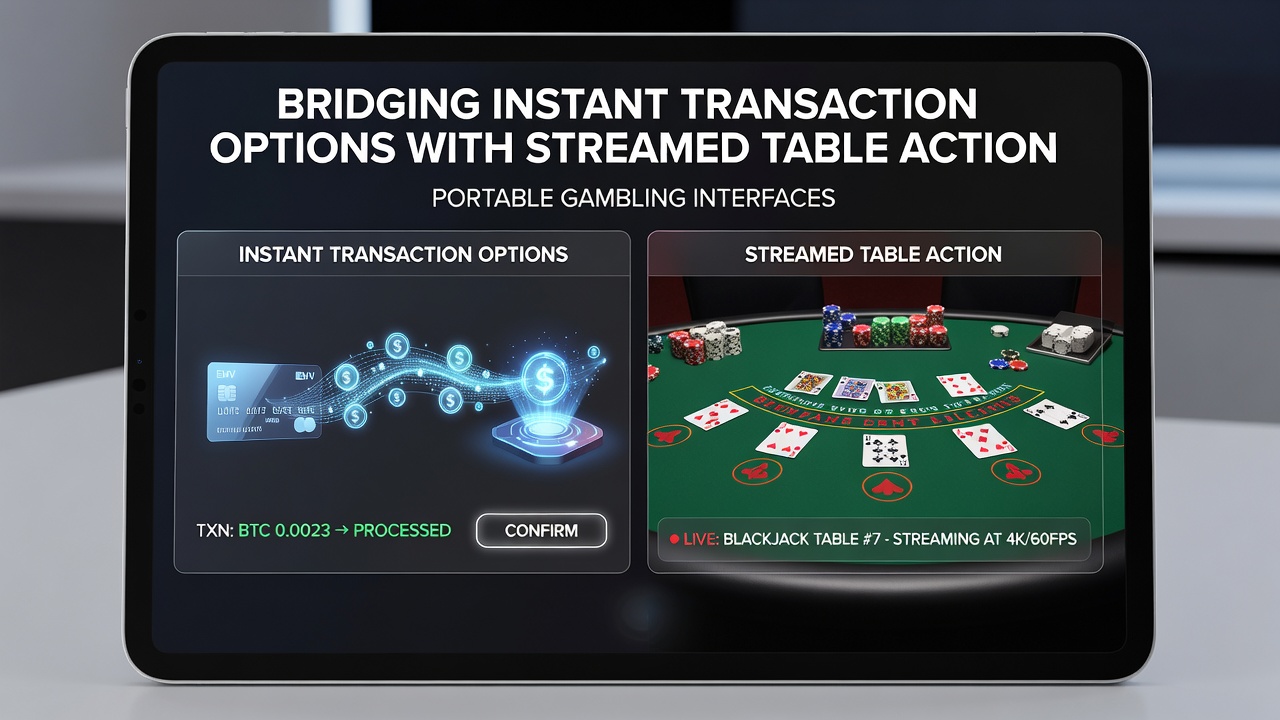
Portable gambling interfaces have advanced to combine instant transaction systems with real-time streamed table games on mobile devices, creating unified experiences for users who seek both rapid financial actions and continuous live dealer interactions. Developers integrate payment gateways directly into streaming platforms, allowing deposits and withdrawals to occur without interrupting table sessions, and this setup relies on secure APIs that handle both financial data and video feeds simultaneously.
Core Components of Mobile Transaction and Streaming Systems
Instant transaction options in these applications typically involve digital wallets, bank transfers processed through secure networks, and cryptocurrency channels that confirm within seconds, while streamed table action uses low-latency video protocols to deliver blackjack, roulette, and baccarat tables from physical studios to user screens. Researchers at institutions such as the University of Nevada, Las Vegas International Gaming Institute have documented how these elements merge through unified backend architectures that synchronize payment confirmations with game state updates.
Engineers employ WebSocket connections to maintain persistent links between the mobile app and both the payment processor and the live stream server, which means a user can place a bet funded by an instant deposit and see the dealer action proceed without delay. Data from industry analyses shows that synchronization reduces session drop-offs, and this occurs because transaction status updates feed directly into the game interface layer.
Technical Bridging Mechanisms
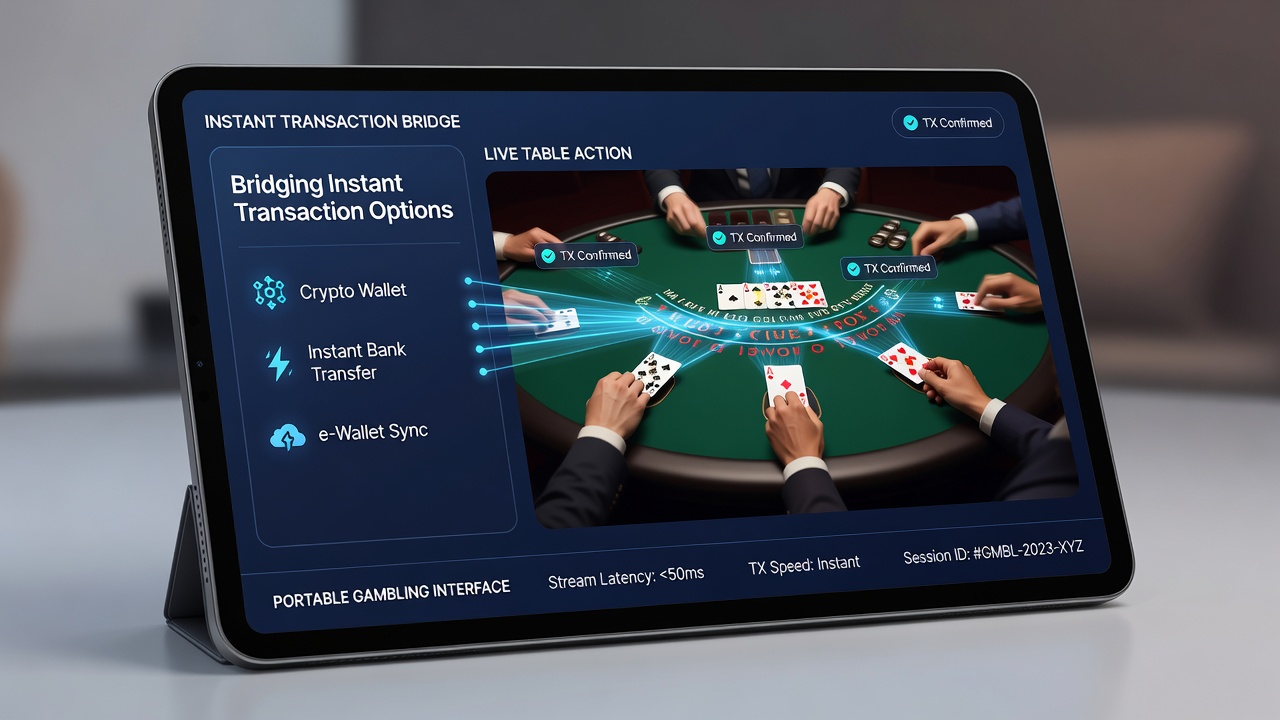
The bridging process begins with tokenized payment methods that authorize funds in the background while the stream buffer handles video packets, and observers note that this dual-channel approach prevents latency spikes during peak hours. Software frameworks allow conditional triggers where a completed transaction automatically unlocks betting options on the live table, and case studies from developers illustrate successful implementations across multiple device operating systems.
Security layers incorporate end-to-end encryption for both financial payloads and video streams, which satisfies requirements from regulatory bodies in regions such as the New Jersey Division of Gaming Enforcement and the Australian Communications and Media Authority. Integration testing in June 2026 revealed that platforms using hybrid cloud-edge computing achieved sub-second response times for combined actions, and those who've studied deployment logs confirm the stability of these setups under variable network conditions.
Implementation Patterns Across Platforms
One developer group that deployed these features across European and North American markets found that modular API design permitted quick adaptation when new payment rails emerged, and this flexibility extended to supporting multiple live dealer providers within a single mobile session. Users experience the bridge as a seamless flow where balance updates appear alongside table results, yet the underlying systems operate independently until linked through event listeners.
Additional examples include applications that embed transaction histories within the streaming dashboard, allowing players to review deposits while the dealer continues rounds, and this overlay technique emerged from iterative interface testing that prioritized minimal visual disruption. Reports from the European Gaming and Betting Association indicate rising adoption rates for such combined functionalities as mobile bandwidth improves globally.
Operational Considerations and Data Flows
Data flows in these bridged systems follow defined sequences where a transaction request initiates a parallel stream verification call, which ensures the live table feed remains uninterrupted during authorization. Platform operators maintain separate monitoring dashboards for payment success rates and stream quality metrics, and integration of these metrics helps identify bottlenecks before they affect end users.
June 2026 updates to mobile operating systems introduced enhanced background processing capabilities that further stabilized these dual operations, and those who've analyzed performance benchmarks report consistent improvements in session duration metrics. The architecture supports rollback mechanisms if a transaction encounters issues, preserving the integrity of ongoing table games without requiring users to restart streams.
Conclusion
Portable gambling interfaces continue to evolve through the precise linking of instant transaction options and streamed table action, supported by advances in API connectivity, encryption standards, and real-time data synchronization. These developments reflect ongoing technical refinements across multiple jurisdictions and device ecosystems, with measurable outcomes in session continuity and operational efficiency documented through industry and academic channels.