11 Jul 2026
Seamless Integration of Funding Mechanisms and Live Gaming Elements in Mobile Casino Software
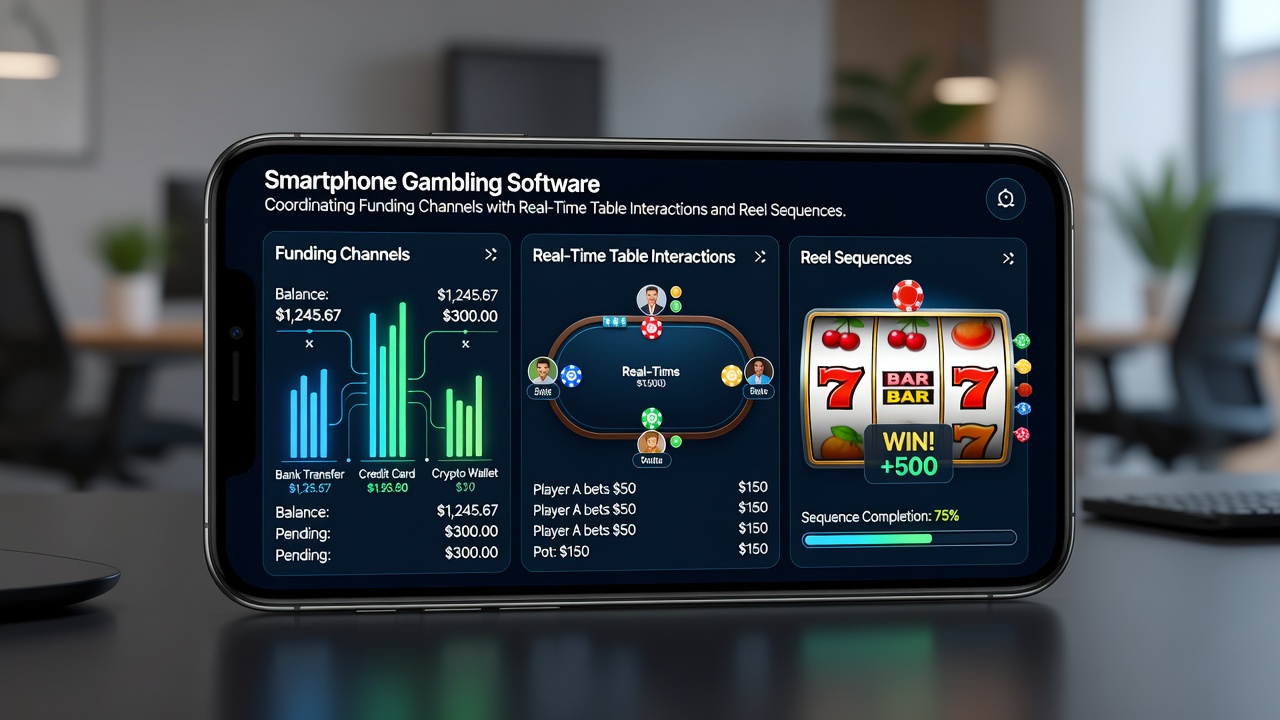
Smartphone gambling software now routinely links funding channels directly to live table actions and spinning reel mechanics through unified backend systems that process transactions in milliseconds while gameplay continues without interruption. Developers coordinate these elements by routing deposit confirmations through secure APIs that feed straight into game engines handling both slot reel sequences and real-time dealer interactions on the same device session.
Core Components of Funding Coordination
Payment gateways in these applications connect to multiple processors simultaneously so users can select bank transfers, digital wallets or card options while the software maintains continuous synchronization with ongoing games. Real-time table interactions require constant data streams that update player balances instantly after each funding event whereas reel sequences in slots adjust payout calculations based on the same live balance feeds without separate refresh cycles. Research from the American Gaming Association shows mobile platforms handling over 65 percent of total wagers now depend on this level of integration to reduce latency below 200 milliseconds per transaction.
Real-Time Table Interaction Mechanics
Live dealer tables operate through video streams paired with betting interfaces that accept wagers only after funding verification completes yet the software buffers actions so players experience no visible delay. Those who've examined the architecture note that table software modules query funding channels every few seconds during active rounds while maintaining separate queues for bets placed mid-sequence. Data from industry reports indicates that platforms using these methods report fewer dropped connections during peak hours when multiple users initiate deposits while seated at virtual tables.
Reel Sequence Synchronization Processes
Slot reel engines pull updated balance information from the same payment orchestration layer that serves table games creating a shared state across different game types within one application. Reel sequences advance only after the funding module confirms sufficient balance yet the animation pipeline remains decoupled so spins continue smoothly once authorization clears. Observers note that this separation allows developers to update reel mathematics independently while funding logic stays consistent across updates deployed in July 2026 and beyond.

Technical Architecture Behind the Coordination
Backend services employ event-driven architectures where funding events trigger listeners attached to both table and reel modules through message queues rather than direct database calls. This setup lets reel sequences resume mid-spin after a deposit posts while table interactions update pot totals without reloading the entire game state. Software engineers have documented that containerized microservices handle the scaling required when thousands of simultaneous sessions request funding updates during live play periods.
Security Layers Supporting Continuous Play
Encryption protocols wrap each funding request while game clients maintain session tokens that validate against the same security layer used for table actions and reel outcomes. Multi-factor checks occur in parallel streams so verification does not pause reel animations or interrupt dealer rounds. Studies from academic sources on real-time systems confirm that such parallel processing maintains compliance with data protection standards across different regulatory regions including those in North America and Asia-Pacific markets.
Cross-Game Balance Management Examples
One documented case involved a major operator whose platform allowed seamless transfer of funds earned on reel sequences directly into active table sessions without exiting the current screen. The integration relied on a central ledger updated by payment channels every transaction cycle while game clients subscribed to balance change notifications. Similar approaches appear in multiple applications where users switch between slots and live tables mid-session yet retain uninterrupted access to newly deposited amounts.
Performance Metrics and Industry Benchmarks
Industry organizations tracking mobile gambling performance report average session lengths increasing when funding and gameplay modules share real-time data streams instead of operating through separate refresh intervals. Latency measurements collected during high-traffic periods show that coordinated systems reduce failed transaction rates by measurable margins compared with legacy setups that required manual balance checks between game types. Platforms operating under frameworks similar to those overseen by bodies such as the Nevada Gaming Control Board have adopted these patterns to align with broader operational standards.
Future Developments in Integration Standards
Updates scheduled around July 2026 focus on expanding websocket connections that carry funding status alongside game state packets allowing even tighter coupling between deposits and live reel or table events. Researchers continue examining how machine learning models might predict funding needs based on current reel sequence patterns or table betting velocity though current implementations rely on deterministic event handling. Those monitoring the sector note ongoing work by groups including the European Gaming and Betting Association to establish common protocols for these cross-module communications.
Conclusion
Coordination between funding channels and real-time gameplay elements in smartphone gambling software rests on shared data pipelines event listeners and decoupled animation systems that together support continuous play across table interactions and reel sequences. The architecture enables instant balance updates without disrupting user sessions while maintaining security and compliance requirements across regions. As platforms evolve these integrations continue to shape how mobile applications deliver unified experiences from deposit through gameplay completion.