25 Jul 2026
Payment Optimization Bridges Slot Tactics and Live Dealer Sequences
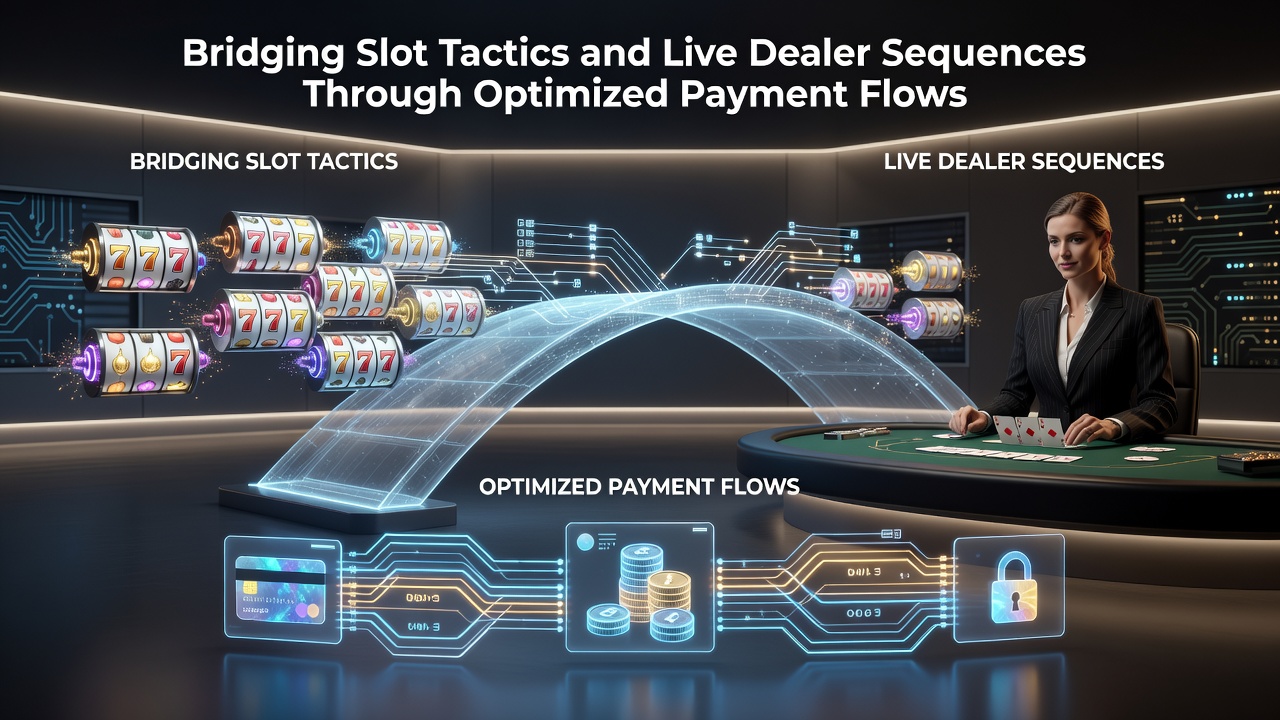
Operators in the online gaming sector have developed payment systems that allow players to move between slot tactics and live dealer sequences without interruption, and these flows rely on real-time transaction processing that syncs bonuses across game types. Data from industry reports indicate that transaction speeds under three seconds support continuous play sessions where users apply slot strategies such as payline selection and volatility assessment before shifting to live dealer tables that require different decision-making patterns.
Core Mechanics of Transaction Linking
Payment platforms now embed APIs that detect game switches and apply pre-set rules for fund allocation, so a player finishing a slot round with accumulated credits can transfer those amounts directly into a live dealer session while maintaining the same bonus multiplier. Researchers at the University of Nevada Reno Gaming Innovation Lab documented cases where optimized flows reduced session drop-off rates by 18 percent when players encountered no separate deposit steps between game categories. And this integration extends to mobile environments where touch-based interfaces trigger automatic wallet updates that reflect both slot win multipliers and live dealer bet limits in one consolidated view.
Examples from Operational Platforms
One operator implemented a unified ledger that treats slot outcomes and live dealer results as sequential entries in the same transaction chain, and this setup lets users activate no-deposit offers on slots then carry the resulting free bet tokens into blackjack or roulette tables without manual conversion. Observers note that such systems incorporate fraud detection layers that scan for unusual patterns across both game types simultaneously, which maintains compliance with regional standards while keeping payment authorization times below industry averages. In July 2026 several platforms reported expanded testing of these flows after initial pilots showed average session lengths increasing when payment friction decreased.
Take the case of a mid-sized European operator that linked its slot bonus engine to live dealer sequencing software through a single payment gateway, and users there could stack progressive jackpot contributions from slots onto table game side bets in real time. Figures from the European Gaming and Betting Association reveal that platforms adopting these methods recorded a 12 percent rise in cross-category play during the first half of 2026 compared with systems that required separate logins for each game type.
Data Patterns in Player Behavior
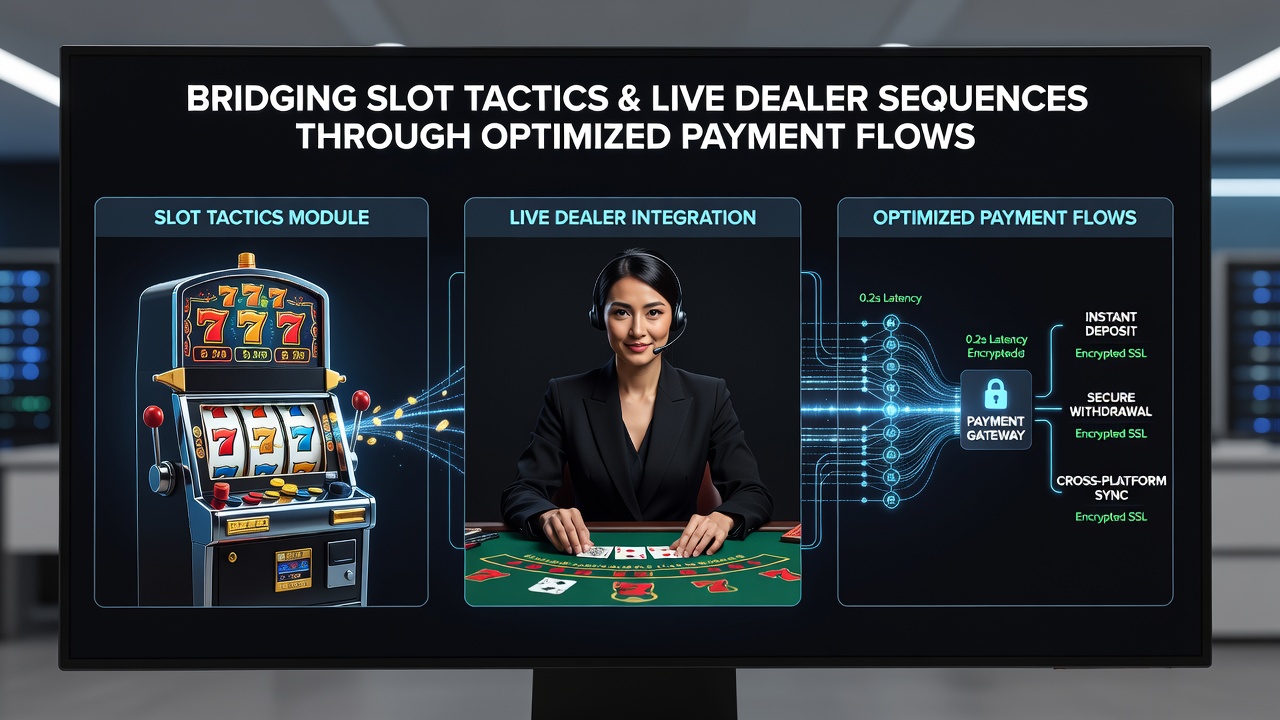
Analytics teams track how players allocate winnings across game transitions, and the data show that instant payout confirmations encourage continued engagement rather than cash-out exits. Studies compiled by the Canadian Centre for Gaming Research found correlations between sub-second payment confirmations and higher rates of users completing at least three distinct game switches within a single hour-long session. Yet these patterns hold only when the payment infrastructure supports simultaneous handling of fiat currencies and crypto options without forcing users to select separate methods for slots versus live tables.
Payment processors have introduced conditional routing that prioritizes low-latency routes for live dealer sequences while routing slot transactions through standard channels, and this differentiation keeps overall system load balanced during peak hours. Those who monitor transaction logs observe fewer failed transfers when the system pre-authorizes amounts based on prior slot activity before the live dealer round begins.
Regulatory Context Across Regions
Authorities in multiple jurisdictions now examine how these optimized flows affect responsible gaming tools, and some require that payment systems include built-in spending caps that apply uniformly across slot and live dealer categories. Reports from the Australian Gambling Research Centre highlight that unified payment ledgers make it easier to implement time-based limits because all activity routes through one visible balance rather than fragmented accounts. Operators respond by embedding these controls directly into the transaction layer so players receive consistent alerts regardless of whether they are spinning reels or placing live bets.
Industry organizations such as the World Lottery Association have issued guidance on data sharing between payment providers and game servers to support transparent reporting, and this framework encourages the development of APIs that log every transfer between slot and live dealer environments for audit purposes. The result appears in platforms that generate single-session summaries covering both game types without requiring separate exports.
Conclusion
Payment optimization continues to serve as the connective tissue between slot tactics and live dealer sequences by eliminating delays that previously fragmented player sessions. Evidence from multiple research bodies and operational deployments demonstrates that real-time transaction handling supports sustained engagement across game categories while meeting compliance requirements in varied regulatory environments. As platforms refine these systems further, the documented patterns suggest continued focus on seamless fund movement remains central to operational strategies in the sector.