22 Jun 2026
Payment Integrations Facilitating Hybrid Slot-to-Live Dealer Experiences via UK App Incentives
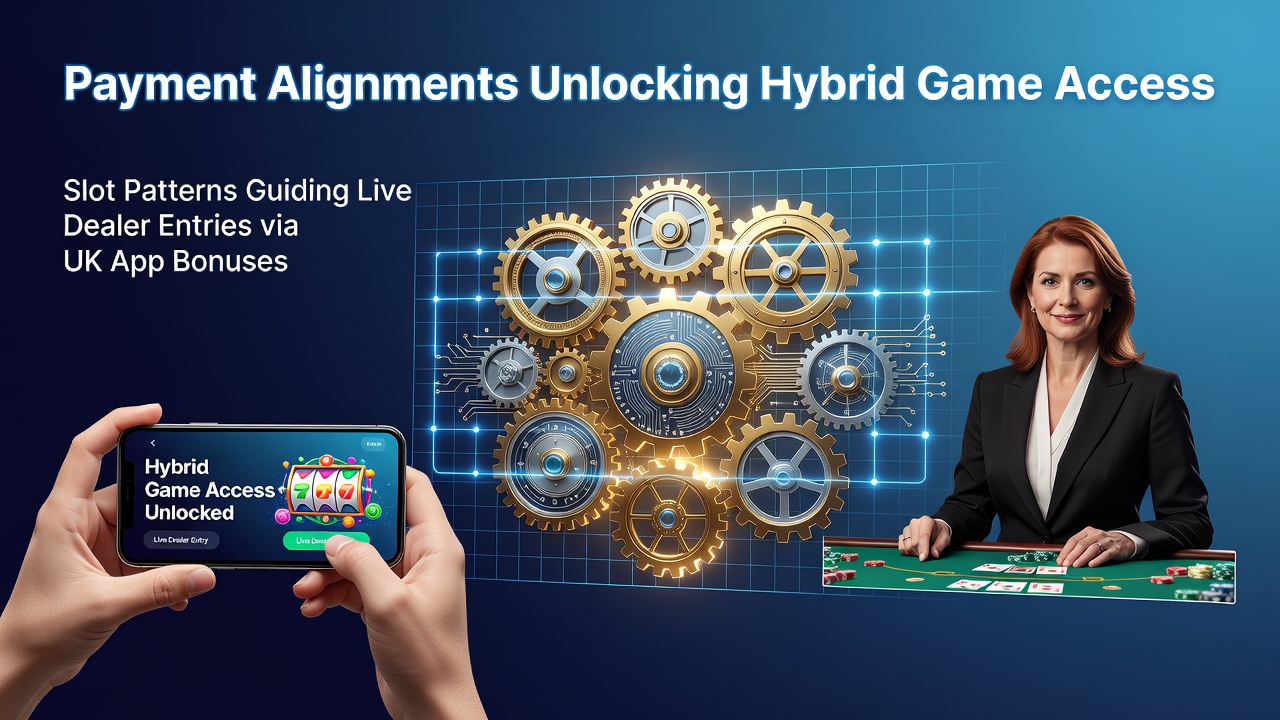
Payment alignments in UK mobile casino applications now connect slot gameplay directly to live dealer environments through coordinated bonus structures, and this integration relies on specific pattern recognition within slot sessions that trigger entry pathways. Developers have aligned deposit and withdrawal systems so that bonus funds earned during slot play convert automatically into credits for live table games without separate transactions, which reduces friction and maintains session continuity across game types.
Hybrid Access Mechanisms in Mobile Platforms
Hybrid models combine automated slot sequences with real-time dealer interactions, and operators achieve this by embedding payment gateways that recognize slot outcome patterns such as consecutive wins or bonus round completions; these patterns then activate conditional offers that redirect players into live dealer lobbies. Research from industry reports indicates that such alignments depend on API connections between game servers and payment processors, allowing instantaneous balance transfers that preserve promotional value across both formats.
UK app users encounter these features when bonus terms specify hybrid eligibility, and data from platform analytics shows higher retention rates when players move seamlessly from slots to tables without exiting the application. Payment providers support this through tokenised transactions that track bonus origins, ensuring compliance with spending limits while enabling the transition.
Slot Pattern Recognition Driving Entries
Slot patterns function as triggers because algorithms monitor metrics like reel combinations, multiplier accumulations, and session duration, then match these against predefined thresholds that unlock live dealer invitations. When a player hits a qualifying pattern, the system applies an app-specific bonus layer that funds the live entry, and this process occurs within the same wallet balance to avoid additional deposits.
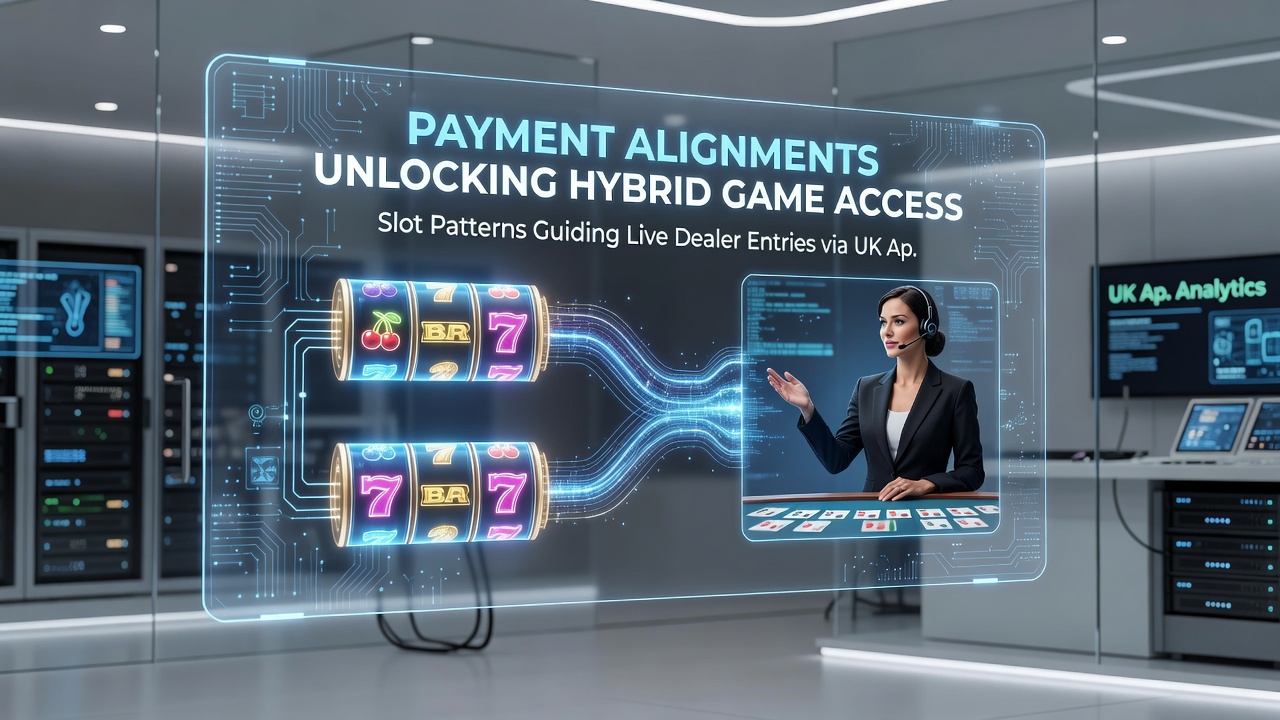
Observers note that these patterns often involve progressive elements such as accumulating scatters or wild expansions, which the platform interprets as signals of engagement; the resulting bonus credit then appears in the live dealer section with matching wagering conditions. Figures from European gaming studies reveal that pattern-guided entries increase cross-game participation by aligning player behaviour data with payment processing rules.
UK App Bonus Structures and Payment Coordination
App bonuses in the UK market incorporate payment alignment features where no-deposit incentives or matched deposits carry hybrid qualifiers, allowing funds to flow between slot and live segments under unified terms. This coordination uses real-time reconciliation between banking systems and game engines so that bonus expiry timers and contribution rates remain consistent regardless of game switch.
June 2026 updates to mobile frameworks have introduced enhanced verification layers that confirm payment source legitimacy before hybrid transfers complete, and these measures draw on protocols developed by organisations such as the iGaming Ontario regulatory model. Such alignments minimise delays and maintain player balances across environments, with transaction logs capturing every conversion for audit purposes.
Technical Foundations and Regulatory Context
Payment processors integrate with casino software through standardised protocols that support multi-game wallets, and this infrastructure permits slot-derived bonuses to activate live dealer seats without manual intervention. Academic analyses from institutions tracking digital gambling trends highlight how these systems rely on encrypted data exchanges to prevent mismatches between bonus types and game categories.
Operators implement pattern detection via machine learning models trained on aggregated session data, yet they apply these only within licensed parameters that respect spending caps and verification requirements. A separate report from the Victorian Responsible Gambling Foundation documents similar payment integration approaches in other jurisdictions, showing consistent outcomes in session extension when alignments function smoothly.
Conclusion
Payment alignments continue to shape hybrid access in UK mobile applications by linking slot patterns to live dealer entries through coordinated bonuses, and this approach relies on precise technical integrations that track balances and triggers across game formats. As platforms evolve, the emphasis remains on maintaining transactional integrity while supporting fluid movement between automated and interactive experiences.