20 Jul 2026
Payment Choices Driving Hybrid Formats in British Mobile Gaming
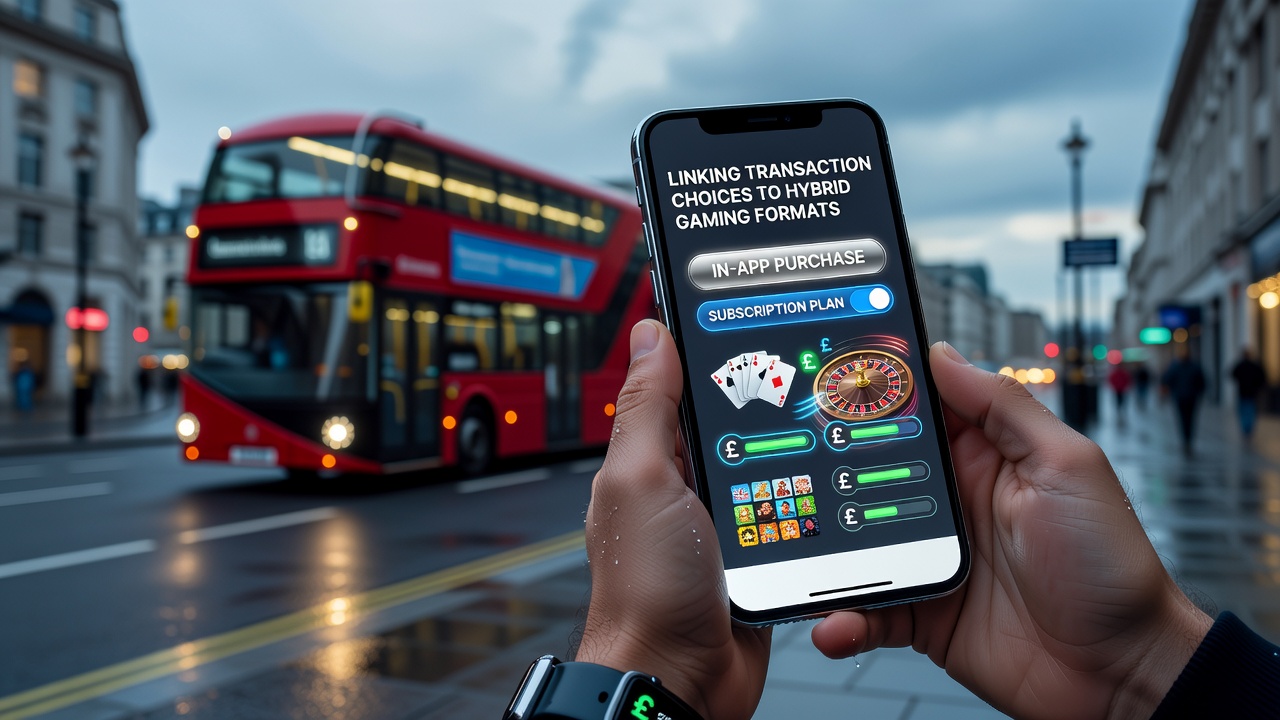
British mobile gaming environments continue to blend slot mechanics with live dealer elements and instant reward systems, and payment selections play a direct role in how these formats operate on user devices. Operators structure their platforms so deposit and withdrawal options align with session types, allowing players to switch between automated spins and real-time table interactions without leaving the app.
Data from industry reports shows mobile hybrid titles grew in popularity through mid-2026 as device capabilities improved graphics rendering and network speeds supported uninterrupted play. Payment gateways now integrate directly with game servers so funds move in sync with bonus triggers or live round entries.
Mobile Transaction Methods and Game Flow
Users select from bank transfers, digital wallets, and card options at the start of each session, and these choices influence available game modes. Faster methods such as e-wallets enable immediate entry into live dealer sequences while slower bank links often route players toward slot-only hybrids that build progressive features over longer periods. Research from the European Gaming and Betting Association indicates transaction speed correlates with session length in blended formats, with quicker settlements supporting more frequent switches between automated and interactive segments.
Platform developers code transaction APIs to recognise the selected payment type and adjust in-game prompts accordingly. A wallet-funded account might receive instant cashback during a live roulette phase, whereas card transactions trigger loyalty points that accumulate across slot rounds instead.
Hybrid Structures in British Markets
Hybrid mobile games combine random number generator slots with streamed table elements, and payment pathways determine how rewards distribute between the two. July 2026 updates to certain operator systems introduced tiered verification levels tied to deposit size, which in turn unlocked additional live features or extended spin multipliers. Those who complete verification through digital wallets gain access to simultaneous play modes where slot outcomes influence live bet limits in real time.
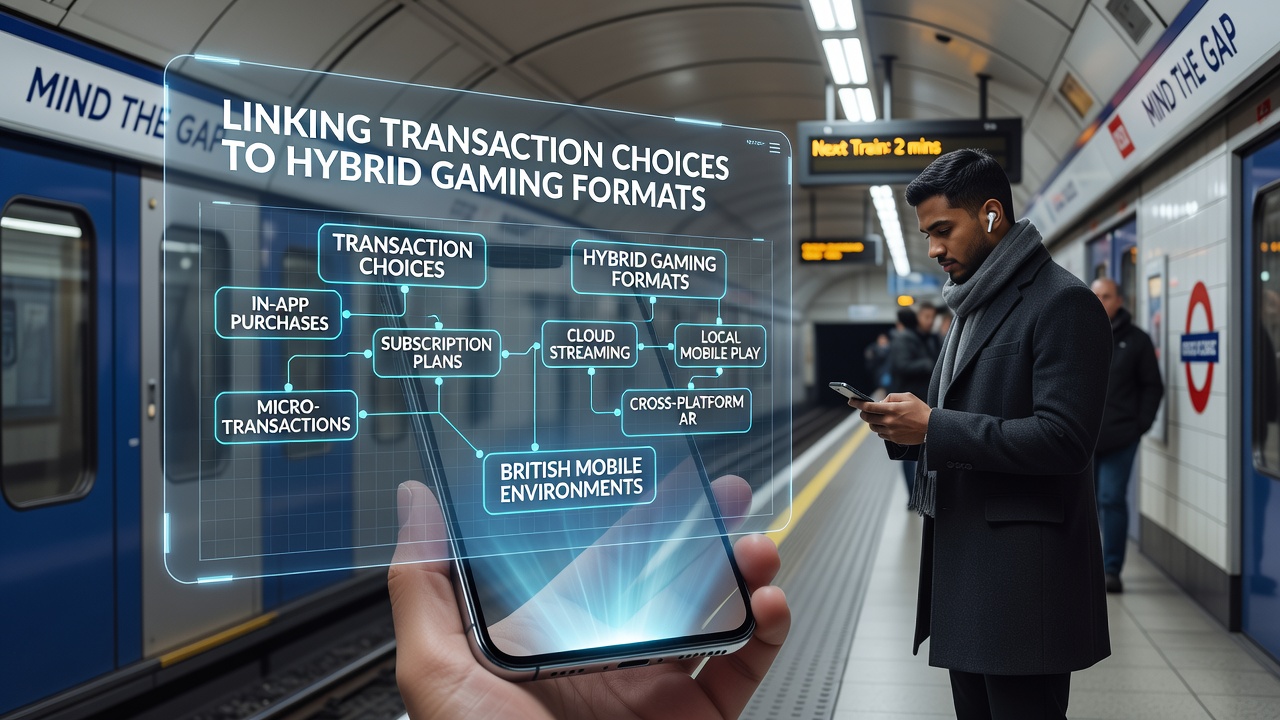
Studies from the University of Nevada Gaming Research Center have examined similar patterns in other jurisdictions and found payment flexibility increases retention rates when users can move between formats without additional funding steps. British operators apply comparable logic by embedding transaction history into player profiles that then personalise hybrid game recommendations.
Regulatory Context and Market Data
Observers note that licensing conditions in Britain require clear separation of funds for different game categories, yet hybrid formats challenge this by sharing the same balance across slot and live components. Payment providers adapt by tagging transactions according to game type so compliance reports generate automatically. Figures from the Australian Gambling Research Centre reveal parallel developments where mobile platforms use transaction metadata to maintain audit trails while still delivering seamless user experiences.
Operators track how often players switch payment methods mid-session, and these patterns inform updates to hybrid lobbies. In several documented cases, frequent wallet users migrated toward games that combined instant payouts with live elements, while card-preferring players stayed longer in slot-heavy hybrids with accumulating bonus rounds.
Future Integration Patterns
Platform roadmaps scheduled for late 2026 include deeper API connections between banking partners and game engines, allowing transaction choices to trigger specific hybrid features without manual input. Early tests show that linking certain digital currencies to hybrid titles produces higher engagement in blended live-slot environments compared with traditional methods. These developments build on existing infrastructure rather than requiring new regulatory frameworks.
Conclusion
Transaction selections continue to shape how hybrid gaming formats function on British mobile platforms by dictating speed, reward distribution, and access to combined slot and live dealer experiences. Market evidence from multiple regions demonstrates consistent links between payment infrastructure and game design choices, with operators refining these connections through iterative platform updates. As device technology and regulatory expectations evolve, the relationship between funding methods and blended mobile formats remains a central element of the sector's operational landscape.