Joint Probe Exposes Illegal Casino Web Luring UK Self-Excluders with Non-GamStop Promises
15 Apr 2026
Joint Probe Exposes Illegal Casino Web Luring UK Self-Excluders with Non-GamStop Promises

The Investigation That Pulled Back the Curtain
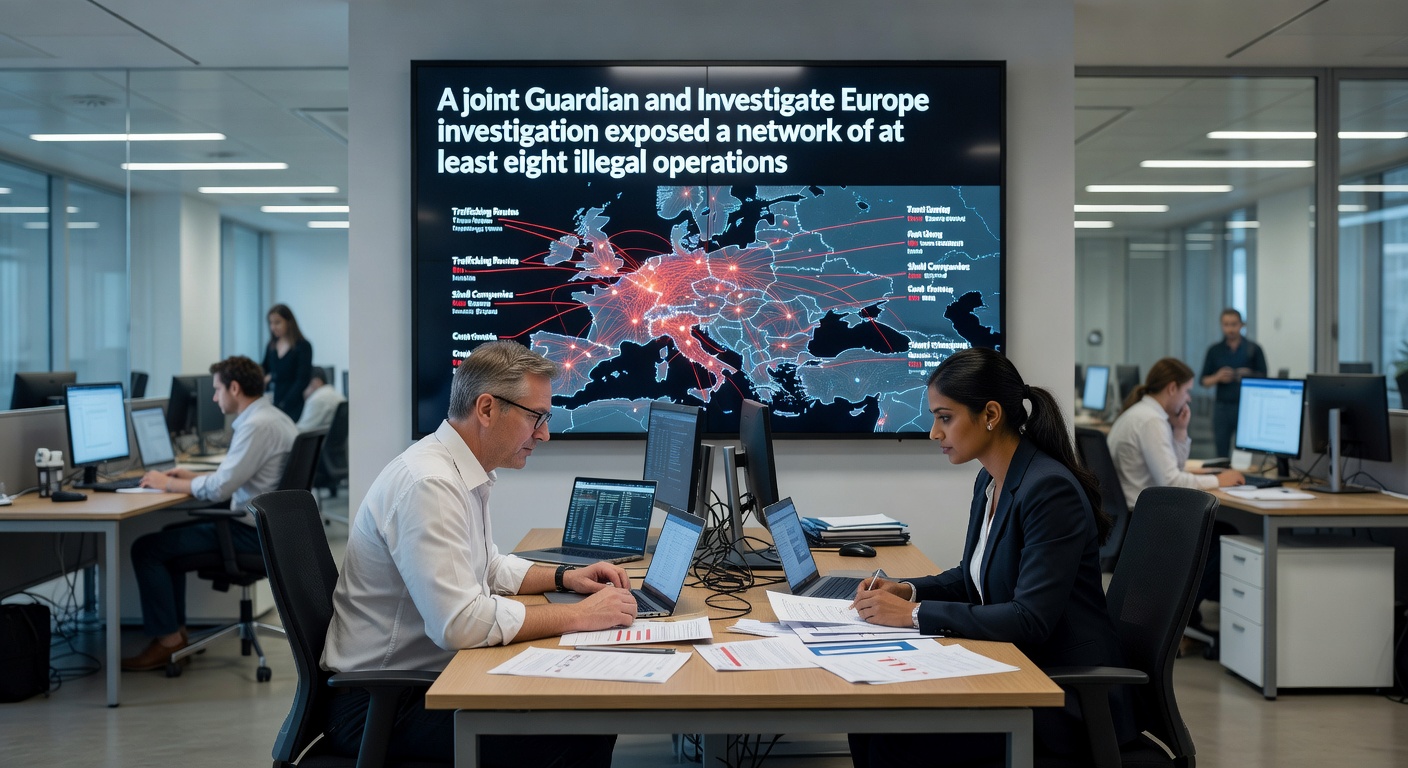
A joint effort by The Guardian and Investigate Europe has spotlighted a sprawling network of at least eight illegal online casinos, including well-known names like MyStake, Velobet, and Goldenbet, all run by Santeda International without any proper licensing from UK authorities; these sites zero in on vulnerable UK gamblers who've signed up for GamStop self-exclusion, drawing them in through affiliates hawking "non-GamStop" options as easy escapes from restrictions. Published in early April 2026, the probe reveals how this operation, tied to Georgian businessmen via Upgaming AG and headquartered in places like Curaçao, skirts regulations to prey on those already struggling with gambling habits, leading to documented cases of fraud, devastating financial losses, and even tragedy.
What's interesting here is the sheer scale; researchers uncovered connections across multiple brands that share backend tech, payment processors, and marketing tactics specifically aimed at Brits dodging self-exclusion blocks, with affiliates earning fat commissions for every referral that sticks. Observers note that these casinos flaunt flashy promotions and quick payouts to hook players, but behind the scenes, complaints pile up about frozen winnings, rigged games, and accounts suddenly shut down just when punters try to cash out.
And it doesn't stop at the sites themselves; the investigation traces ownership through a web of shell companies, landing on Upgaming AG as the tech backbone, a firm linked to Georgian operators who've set up shop in lax jurisdictions to dodge stricter oversight elsewhere.
Operators and Jurisdictions in the Spotlight
Santeda International emerges as the key player orchestrating this network from Curaçao, a Caribbean hub notorious for its light-touch licensing that often fails to protect players outside its borders; sites like MyStake boast sleek interfaces with slots, sports betting, and live dealers, yet they operate sans UK approval, meaning no consumer protections kick in for British users who lose big. Velobet and Goldenbet follow suit, pushing bonuses tailored for high rollers while ignoring self-exclusion databases like GamStop, which blocks access to licensed UK operators for those who've opted out.
Turns out, the Georgian connection runs deep; Upgaming AG provides the software and white-label solutions that power these casinos, allowing operators to launch quickly without building from scratch, and experts who've dissected similar setups point out how this model floods affiliate networks with "safe haven" pitches for excluded gamblers. People familiar with the scene have long suspected overlaps between these brands—shared IPs, identical game libraries, and mirrored complaint patterns on forums—but this probe nails it down with leaked docs and insider accounts.
Here's where it gets interesting: Curaçao's gaming scene, overseen loosely compared to European standards, draws operators chasing volume over compliance, and while local rules exist, enforcement rarely reaches overseas players, leaving UK punters exposed to risks that licensed sites mitigate through mandatory checks and fair play audits.
Human Toll: Fraud, Ruin, and a Heartbreaking Loss
The real sting hits when stories like Ollie Long's surface; this 36-year-old from the UK took his own life in January 2026 after spiraling debts from non-GamStop sites in this very network, with family members reporting how he chased losses on platforms that promised freedom from blocks but delivered endless traps instead. Data from player forums and support groups indicates widespread fraud—accounts drained without consent, bonuses that vanish upon withdrawal attempts, and customer service that ghosts distressed users—patterns that echo across the eight exposed casinos.
Those who've studied gambling harm observe that self-excluders represent a high-risk group, often in recovery or crisis, yet affiliates blast social media and SEO-optimized blogs with lures like "gamble without limits," pulling them back in; one case detailed in the probe shows a punter losing £50,000 in weeks on MyStake, only to face delays and denials when begging for a refund. Severe financial harm ripples out too, with reports of bankruptcies, home repossessions, and fractured families tied directly to these unlicensed operators who prioritize profits over player welfare.
But here's the thing: the network's design exploits gaps in cross-border enforcement, using VPN-friendly setups and crypto payments to evade blocks, while raking in millions from UK traffic that licensed sites can't touch due to GamStop compliance.
MPs Sound the Alarm and Push for Action
UK lawmakers didn't hold back; Labour's Alex Ballinger and Conservative heavyweight Iain Duncan Smith led calls in April 2026 for swift intervention, urging collaboration with international partners to dismantle the operation and stressing the need for tougher measures against offshore predators. Ballinger highlighted how these sites undermine GamStop's purpose—a voluntary scheme that's helped thousands stay away from licensed gambling—while Duncan Smith, a veteran on addiction issues, demanded probes into affiliate networks profiting from misery.
The political heat ties into broader government moves; plans to bolster domain blocking powers aim to cut off access at the source, building on tools already used against illegal betting rings, and observers expect this scandal to accelerate those reforms. Yet challenges loom large, since Curaçao-based entities often ignore foreign demands, and without global coordination, tech-savvy operators just pivot to new domains or mirrors.
Experts from bodies like the European Gaming and Betting Association have echoed these concerns in past reports, noting how unlicensed sites erode trust in the regulated market and amplify harm among vulnerable groups across Europe.
Broader Regulatory Ripples and Industry Echoes
Now, similar issues crop up worldwide; Australia's communications watchdog, the ACMA, blocks thousands of offshore sites yearly for targeting locals, revealing patterns akin to the UK probe where lax jurisdictions fuel cross-border exploitation. Studies from institutions like the University of Sydney's gambling research unit show self-exclusion bypasses lead to 30-50% higher loss rates, underscoring why MPs want action now.
Those tracking the space point out that affiliates, often operating from Eastern Europe, form the pipeline; they embed links in YouTube reviews, Telegram channels, and "best non-GamStop" lists, earning up to 50% revenue share per player referred, which keeps the machine humming despite warnings. The probe's timing in April 2026 feels pivotal, coinciding with EU pushes for harmonized online gambling rules that could squeeze Curaçao's appeal.
And while Santeda hasn't commented publicly, past scandals with Upgaming-linked sites have led to voluntary shutdowns under pressure, though new brands often sprout in their place; players who've escaped share tales of blacklisting wins and rigged RTPs (return to player rates dipping below advertised 96%), fueling demands for AI-driven monitoring to spot these networks faster.
Conclusion
This Guardian-Investigate Europe exposé lays bare a predatory casino web that's cost lives and livelihoods, with Santeda's unlicensed empire exploiting GamStop gaps through Curaçao ops and Georgian tech; as MPs rally for blocks and global teamwork in April 2026, the hope rests on shutting down referral streams and starving these sites of UK punters. Observers watch closely, knowing that without sustained pressure, the cycle—lures, losses, regret—spins on, but cracks in the network signal potential for real change if regulators seize the moment. The ball's now in their court to protect those most at risk.