1 Jul 2026
Integrating Encrypted Payments with Table Dynamics for Enhanced Bonus Utilization in Mobile Casinos
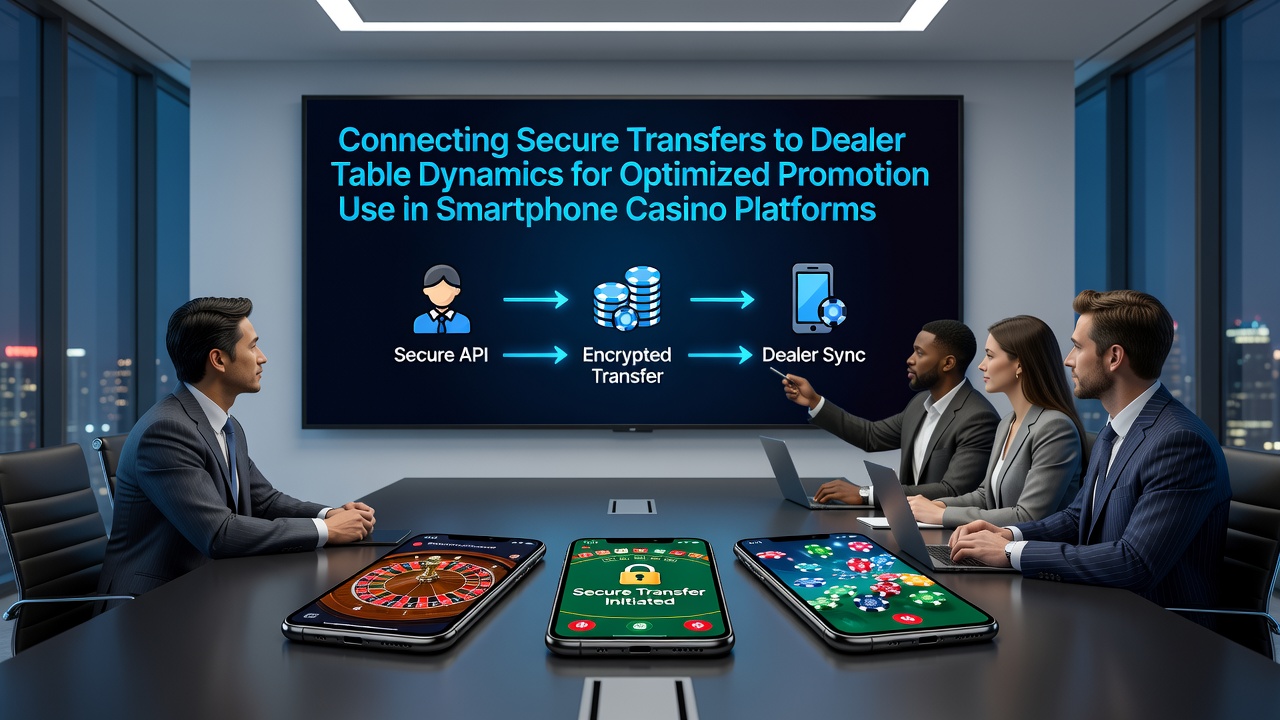
Smartphone casino platforms have developed systems that link encrypted payment channels directly to live dealer table operations, allowing bonus structures to activate based on real-time table events and transaction confirmations. Data from industry reports indicates these connections reduce processing delays while aligning promotional credits with specific game sequences such as card draws or roulette spins. Observers note that the integration relies on API endpoints that verify fund transfers before updating player balances visible at virtual tables.
Mechanics of Secure Transfers in Mobile Environments
Encrypted transfers in these platforms utilize tokenization protocols and multi-factor authentication to process deposits and withdrawals within smartphone applications. Research from the University of Nevada Reno shows transaction completion times average under three seconds when systems connect payment gateways to backend servers that feed live game interfaces. Players receive instant balance updates that sync with dealer actions, enabling promotions like matched deposits to apply automatically during ongoing table rounds rather than after session pauses.
Payment providers maintain compliance standards set by bodies such as the Nevada Gaming Control Board, which enforces encryption requirements across state-licensed operators. Those standards extend to mobile frameworks where data flows between banking partners and casino servers occur through isolated channels that prevent exposure during live sessions.
Table Dynamics and Real-Time Interactions
Live dealer tables on mobile devices stream video feeds alongside interactive elements that respond to player inputs and dealer decisions. Dynamics include card shuffling sequences, betting windows, and outcome determinations that platforms track through dedicated game engines. When secure transfers link to these engines, bonus multipliers can trigger based on table milestones such as consecutive wins or specific hand combinations, adjusting promotional values without interrupting the dealer flow.
Optimization Through Connected Systems
Connections between payment verification and table data allow operators to structure promotions that reward immediate engagement with live games. For instance, a deposit processed mid-session can unlock table-specific bonuses that apply to the next dealer round, increasing participation rates as documented in 2025 platform analytics. Experts observe that this synchronization minimizes bonus abandonment by tying rewards to active table states rather than static account credits.
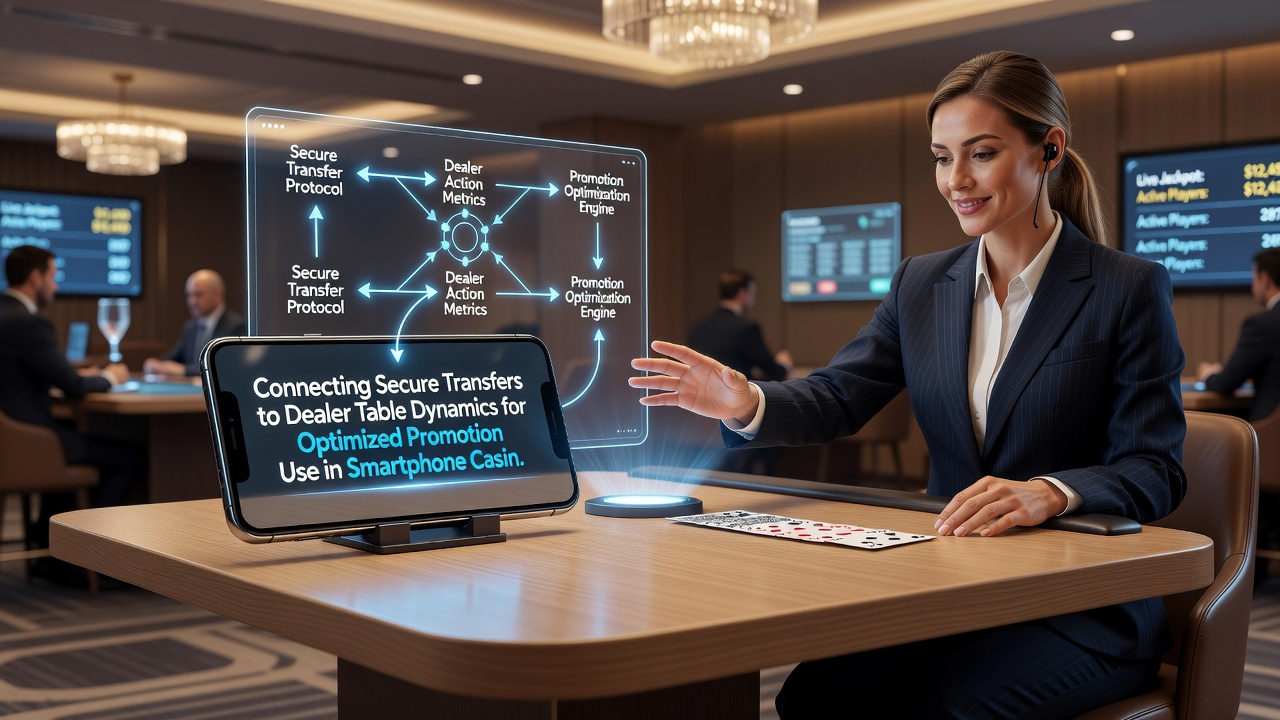
Developments in July 2026 introduced enhanced API standards that further tightened these links, permitting promotions to reference encrypted transfer logs alongside dealer logs for precise allocation. Platforms adopting these updates report higher retention during peak table hours because bonuses activate seamlessly within the same interface used for bets and chat functions.
Implementation Across Platforms
Operators deploy middleware layers that monitor both payment statuses and table events simultaneously, routing data through secure sockets to maintain consistency across devices. Studies from the Canadian Gaming Association indicate that such middleware reduces errors in bonus distribution by up to 40 percent compared with separate payment and game modules. Players benefit when promotions reflect current table conditions, such as increased free bet opportunities following a verified deposit during a high-stakes roulette sequence.
Geographic variations appear in how regions apply these connections, with Australian regulators emphasizing audit trails that document every transfer-to-table linkage for compliance reviews. Similar approaches in European markets focus on data residency rules that keep transaction and game records within approved jurisdictions.
Future Considerations for Platform Development
Continued refinement of these integrations depends on advancements in secure socket layers and event-driven architectures that respond to dealer actions in milliseconds. Industry groups track adoption rates, noting steady growth in platforms that embed payment triggers within live dealer environments. This trend supports broader use of targeted promotions that align financial actions with gameplay progression without additional user steps.
Conclusion
Linking encrypted transfers to dealer table dynamics creates measurable efficiencies in how smartphone casino platforms deploy and track promotional offers. The approach relies on established encryption standards, real-time data synchronization, and compliance frameworks from multiple regulatory regions, resulting in systems that respond directly to both financial and game events. Data continues to show these connections support consistent bonus application across mobile sessions.