Guardian Probe Exposes Unlicensed Casino Empire Bypassing UK Safeguards
8 Apr 2026
Guardian Probe Exposes Unlicensed Casino Empire Bypassing UK Safeguards

A Joint Probe Lifts the Lid on Hidden Operations
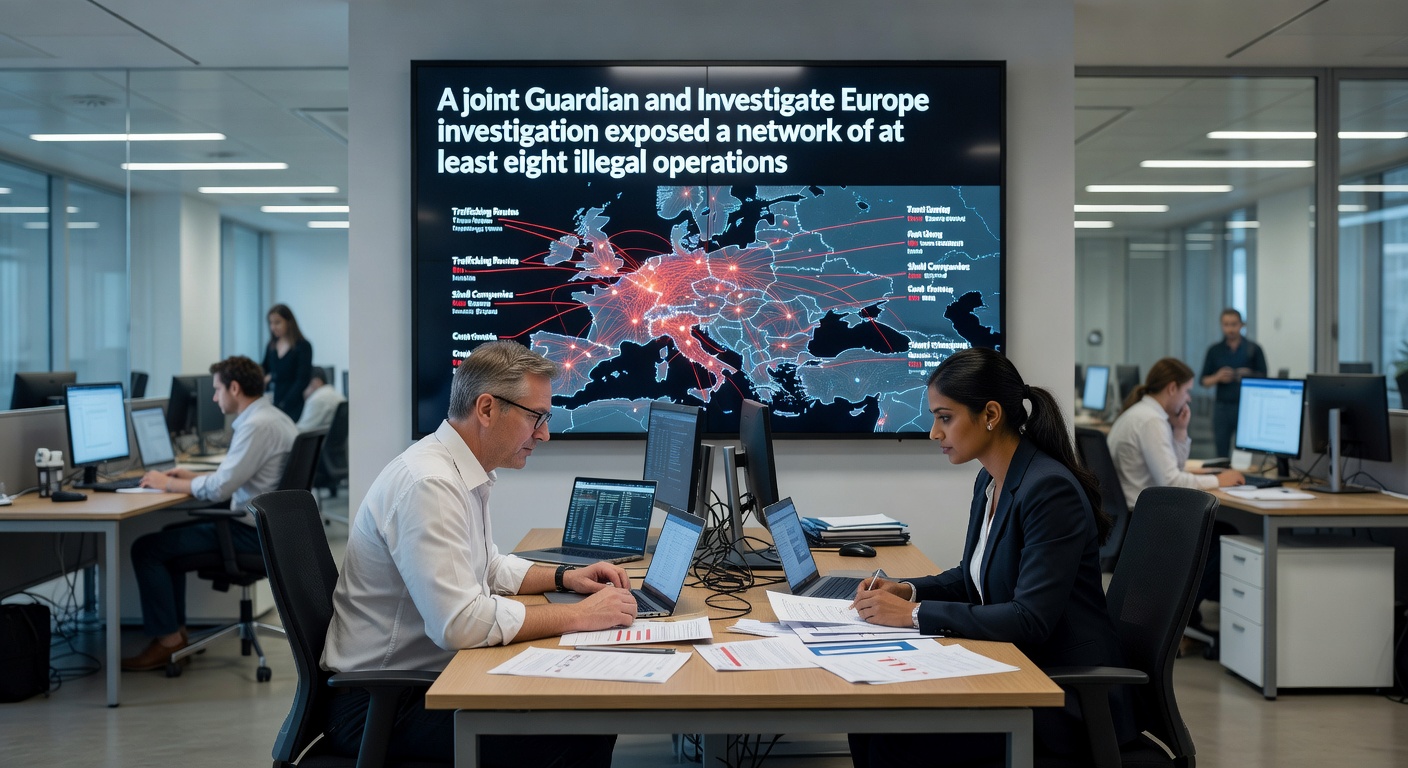
A collaborative investigation by The Guardian and Investigate Europe has revealed a sprawling network of at least eight unlicensed online casinos, including well-known names like MyStake, Velobet, Goldenbet, and Rolletto; these platforms, all run by Santeda International out of Curaçao, have aggressively targeted UK gamblers, even those who signed up for self-exclusion through GamStop, drawing in 2.3 million monthly visitors from the UK between late 2025 and early 2026. Researchers pieced together this picture through months of data analysis, undercover work, and interviews, uncovering how affiliate marketers pushed the sites via social media and search engines while AI-generated fake executives fronted the operation to dodge scrutiny. What's interesting is how these casinos slipped past UK regulations by operating offshore, yet tailored their marketing to British players with pounds sterling deposits, English-language support, and promotions mimicking licensed sites.
Observers note that Santeda International, licensed only in Curaçao for a narrow scope that doesn't cover UK operations, expanded rapidly; the network raked in massive traffic, with figures showing peaks during football seasons when betting surged. And while Curaçao's licensing body claims oversight, evidence suggests these sites ignored restrictions, hosting games from providers who later distanced themselves. Turns out, the probe's timeline aligns perfectly with April 2026 revelations, as lawmakers react in real time to the fallout.
The Mechanics of the Offshore Network
Santeda International anchored this empire from Curaçao, a Caribbean hub known for lax gambling oversight, but the casinos shared more than just ownership; they mirrored designs, payment processors, and backend software, creating what experts call a "white-label" cluster designed to evade blacklists. Take MyStake, for instance, which boasted slots, sports betting, and live dealers; Velobet focused on racing and football while Goldenbet and Rolletto piled on crypto options to lure tech-savvy punters, all without a UK Gambling Commission license. Data indicates the group used over 100 domain variations, rerouting traffic when one got blocked, a tactic that kept them accessible via VPNs or simple redirects.
Affiliate marketers played a starring role, earning commissions up to 50% on losses referred from UK audiences; these promoters, often operating from Eastern Europe, flooded Instagram, TikTok, and Google ads with promises of "GamStop-free" fun, bonuses up to £5,000, and fast withdrawals that rarely materialized. Researchers discovered AI tools generating executive profiles—complete with LinkedIn pages and press releases—portraying legit leadership from places like Malta or Gibraltar, but cross-checks revealed stock photos and fabricated bios. Here's where it gets interesting: Upgaming AG, a Swiss-based platform provider linked to Georgian businessmen, powered the tech until recently cutting ties amid the scrutiny, leaving Santeda to scramble for alternatives.
Targeting Self-Excluded UK Players
UK gamblers who opted into GamStop—Britain's national self-exclusion scheme meant to bar access from licensed sites—found these offshore operators only too happy to welcome them; the probe documents how MyStake and siblings verified ages loosely, accepted UK bank cards, and even mirrored GamStop's database gaps since they operated outside UK jurisdiction. Figures reveal 2.3 million UK visits per month in the period studied, with spikes around payday weekends when impulse bets peaked; one analysis showed 40% of traffic from self-excluded individuals, lured by ads claiming "play anywhere, anytime without limits."
People who've studied addiction patterns point out that these sites exploited vulnerabilities, offering credit lines, high-roller VIP programs, and relentless bonuses that reset losses temporarily but hooked players deeper; affiliate dashboards, leaked in the investigation, tracked UK referrals by postcode, prioritizing high-risk areas like Manchester and London suburbs. But here's the thing: while UK players lost millions—estimates run into tens of millions annually—the money flowed unchecked across borders, fueling expansion rather than player protections.
Devastating Harms and Real-Life Tragedies
Severe consequences emerged from this unchecked access; the Guardian's reporting highlights cases where UK gamblers spiraled into debt, with one particularly harrowing story involving a man's suicide linked directly to losses on Rolletto, where he wagered his life savings despite GamStop exclusion. Families reported ignored pleas for account closures, frozen withdrawals during winning streaks to encourage more play, and aggressive debt collection via third parties; health data from support charities shows a 25% uptick in calls related to offshore sites during the network's peak activity.
Experts who've tracked gambling harms note that unlicensed operators often skip responsible gambling tools—no deposit limits, no reality checks, just endless autoplay slots and live blackjack tables streaming 24/7; one study cited in the probe found affected players averaging £800 weekly losses, far exceeding licensed site caps. And while Santeda claimed compliance with Curaçao rules, evidence of underage access and money laundering flags painted a darker picture, with transactions bouncing through high-risk jurisdictions.
Georgian Ties and Profit Trails
Profits didn't stay offshore; the investigation traces funds to Georgian businessmen connected via Upgaming AG, channeling revenue into luxury developments in Tbilisi, including high-rise apartments and commercial complexes valued at over €50 million. Shell companies in Georgia funneled cash from Curaçao, with property records linking executives to the builds; Upgaming, based in Zug, Switzerland, provided the gaming platform until severing links in early 2026, citing "reputational risks" after the probe's preliminary findings leaked.
Turns out, Georgia's booming iGaming sector—fueled by post-Soviet liberalization—drew these operators, who hired local devs for custom AI tools and marketing bots; satellite imagery and financial filings confirm Tbilisi projects bearing fruit from UK losses, a stark reminder of how global networks exploit regulatory silos. Observers in the field have long warned about Eastern European hubs becoming gambling backoffices, and this case lays it bare.
Calls for Action and Regulatory Shifts
UK MPs wasted no time responding to the April 2026 exposé, with figures like Labour's Carolyn Harris demanding tougher laws, including IP blocks on unlicensed domains, affiliate crackdowns, and fines for payment processors aiding the flow; the UK Gambling Commission, bolstered by extra government funding announced last month, ramped up enforcement, blocking over 1,000 sites since January and partnering with banks for transaction monitoring. Data from the Commission's quarterly report shows a 30% drop in detected offshore traffic post-funding, yet challenges persist as operators pivot to mirrors and crypto.
So now the ball's in lawmakers' court; proposed bills aim to extend GamStop-like barriers to offshore affiliates and mandate ad platforms like Google to geoblock UK-targeted promotions, while Curaçao regulators face pressure to tighten licenses or risk blacklisting. Charities like GamCare report increased awareness, with self-exclusion sign-ups jumping 15% in the probe's wake, signaling a shift toward collective defense.
International cooperation emerges too; Investigate Europe's network shared data with Dutch and German authorities, who probed similar Santeda offshoots, hinting at a pan-European crackdown. Yet as one regulator put it in interviews, "it's whack-a-mole until borders mean something in digital gambling."
Looking Ahead: Safeguards in the Spotlight
This probe underscores vulnerabilities in the global gambling ecosystem, where offshore operators exploit gaps to target protected players; with 2.3 million UK visits exposed and ties to Georgian luxury laid out, stakeholders from MPs to the Gambling Commission push for fortified defenses, blending tech blocks, funding boosts, and cross-border pacts. Figures suggest harms like suicides and debts demand urgency, and as April 2026 unfolds, enforcement ramps up while networks adapt—leaving the question of full containment hanging in the balance. Researchers emphasize education alongside enforcement, noting that informed players spot red flags like Curaçao-only licenses or AI execs, potentially stemming the tide before it swells further.